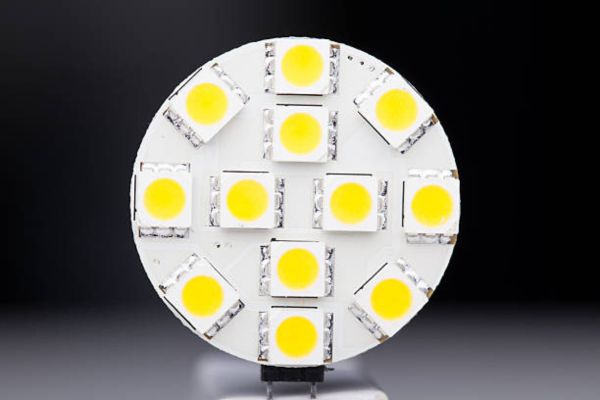
The global lighting and semiconductor industries are witnessing a remarkable transformation as demand for energy-efficient technologies continues to rise across residential, commercial, industrial, and automotive sectors. Among the technologies leading this shift, LED chips have emerged as a foundational component powering next-generation lighting systems, smart displays, automotive headlamps, digital signage, and advanced electronic devices. Rapid urbanization, sustainability initiatives, and increasing adoption of smart technologies are collectively accelerating demand worldwide.
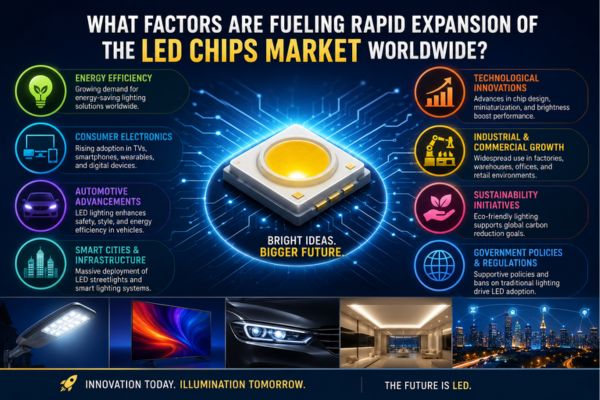
The LED Chips Market is expanding at an impressive pace due to the growing preference for long-lasting and low-energy lighting solutions. Governments across several countries are introducing regulations aimed at reducing electricity consumption and carbon emissions, encouraging businesses and consumers to transition away from traditional lighting technologies. LED chips consume significantly less power while offering better brightness, durability, and performance, making them a preferred option for modern infrastructure projects and connected ecosystems.
Rising Demand for Energy-Efficient Lighting Solutions
One of the most important drivers supporting industry expansion is the global shift toward energy-efficient lighting systems. Traditional incandescent and fluorescent lighting technologies consume more electricity and require frequent replacements. LED-based lighting, on the other hand, offers higher operational efficiency and a much longer lifespan. This advantage has encouraged large-scale adoption in homes, offices, factories, shopping malls, warehouses, and public infrastructure.
Governments worldwide are also implementing strict energy-saving standards to reduce environmental impact. Public infrastructure modernization programs increasingly prioritize LED streetlights, smart lighting systems, and sustainable building solutions. These developments continue to strengthen demand for advanced LED chips capable of delivering higher brightness with lower power consumption.
The emergence of smart homes and intelligent buildings is further contributing to market growth. Consumers now prefer lighting systems that can be controlled remotely through smartphones and connected devices. Such innovations require highly efficient LED chips integrated with sensors and wireless connectivity features.
Growth of the Consumer Electronics Industry
Consumer electronics remains another major factor fueling market expansion. Smartphones, televisions, tablets, laptops, gaming monitors, and wearable devices increasingly rely on compact and high-performance LED technologies for enhanced display quality and energy efficiency. The growing popularity of Mini-LED and Micro-LED displays has significantly increased demand for advanced semiconductor components.
Modern consumers expect brighter screens, improved contrast ratios, better color accuracy, and reduced energy consumption. Manufacturers are therefore investing heavily in next-generation display technologies powered by sophisticated LED chips. Premium televisions and gaming displays are rapidly adopting Mini-LED backlighting systems, while Micro-LED innovations are gaining traction in high-end display applications.
As demand for immersive visual experiences continues to rise, display manufacturers are expanding production capacities and investing in research and development. According to insights published by Persistence Market Research, technological advancements in display manufacturing are expected to create long-term opportunities for component suppliers operating across the semiconductor ecosystem.
Automotive Lighting Technology Creating New Opportunities
The automotive sector has become one of the fastest-growing application areas for LED technology. Automakers are increasingly integrating LED-based lighting systems into headlights, taillights, daytime running lights, ambient cabin lighting, and digital dashboards. LED chips provide superior brightness, compact design flexibility, and lower energy consumption compared to conventional automotive lighting technologies.
Electric vehicles are further accelerating this trend. Since battery efficiency is critical in electric mobility, manufacturers prefer low-power lighting systems that extend vehicle range without compromising visibility or safety. Advanced driver-assistance systems and autonomous driving technologies are also encouraging adoption of intelligent lighting modules equipped with adaptive LED features.
Luxury vehicle manufacturers are actively introducing matrix LED headlamps and dynamic lighting systems capable of adjusting brightness based on road conditions. Such innovations require advanced semiconductor engineering, boosting demand for high-performance LED chips globally.
Smart Cities and Infrastructure Modernization
Rapid urbanization and infrastructure modernization projects are creating enormous opportunities for lighting technology providers. Governments and municipalities are investing heavily in smart city initiatives aimed at improving energy efficiency, public safety, and operational management. Smart street lighting systems powered by LED technology are becoming an essential component of urban development strategies.
These intelligent lighting systems can automatically adjust brightness based on traffic movement, weather conditions, and pedestrian activity. They also reduce maintenance costs and electricity consumption, making them highly attractive for municipalities facing rising energy expenses.
Airports, railway stations, stadiums, hospitals, and commercial complexes are increasingly replacing traditional lighting systems with connected LED infrastructure. Industrial facilities are also upgrading to LED-based solutions to improve operational efficiency and workplace safety. Such widespread adoption continues to strengthen the global LED Chips Market across developed and emerging economies alike.
Advancements in Semiconductor Manufacturing
Technological progress in semiconductor manufacturing is another major growth catalyst. Companies are continuously improving chip architecture, thermal management, brightness efficiency, and miniaturization capabilities. Modern LED chips now deliver superior illumination while maintaining compact dimensions suitable for advanced electronic applications.
Research into gallium nitride materials, wafer technologies, and quantum-dot integration is enabling manufacturers to produce highly efficient chips with improved performance characteristics. Automation and precision manufacturing processes are also reducing production costs, making LED solutions more affordable for mass-market adoption.
The rise of Micro-LED technology represents a significant breakthrough for the display and electronics industries. Unlike traditional display technologies, Micro-LED panels offer exceptional brightness, energy efficiency, and longer operational lifespans. Major technology companies are investing aggressively in this segment to develop next-generation displays for smartphones, televisions, augmented reality devices, and automotive dashboards.
Expansion of Industrial and Commercial Applications
Industrial and commercial sectors are adopting LED technology at an unprecedented pace. Warehouses, manufacturing facilities, retail outlets, logistics centers, and office spaces are transitioning to LED-based systems to reduce operational costs and improve lighting performance.
Industrial environments require durable lighting solutions capable of operating efficiently under challenging conditions. LED chips offer better heat resistance, lower maintenance requirements, and improved illumination quality, making them highly suitable for demanding industrial applications.
Commercial establishments are also prioritizing aesthetic lighting solutions to enhance customer experiences. Hotels, restaurants, shopping malls, and entertainment venues increasingly use decorative LED systems for branding and ambiance enhancement. This trend is encouraging innovation in customizable and color-adjustable LED lighting technologies.
According to industry observations from Persistence Market Research, sustainability goals and digital transformation initiatives are expected to remain key growth drivers influencing long-term market expansion.
The future of the LED industry appears highly promising as technological innovation continues to reshape global lighting and display ecosystems. Increasing investments in smart infrastructure, electric mobility, advanced consumer electronics, and sustainable energy solutions are expected to create substantial growth opportunities in the coming years.
Manufacturers are focusing on developing ultra-efficient, compact, and intelligent LED chips capable of supporting next-generation applications across multiple industries. The combination of energy efficiency, environmental sustainability, and advanced functionality positions LED technology as a critical component of future digital infrastructure.
As industries continue transitioning toward connected and energy-conscious systems, the LED Chips Market is likely to witness strong momentum worldwide. Growing adoption across automotive, electronics, industrial, and smart city applications will continue to drive innovation and investment, ensuring long-term expansion for companies operating in this rapidly evolving sector.