

The modern consumer no longer interacts with brands in isolated moments, they engage through a continuous, interconnected journey. From browsing products online to receiving personalized recommendations, from smart devices at home to seamless customer support, every touchpoint is now expected to be intuitive, responsive, and tailored. At the heart of this transformation lies embedded intelligence and AI-driven platforms, quietly redefining how businesses understand and serve their customers.
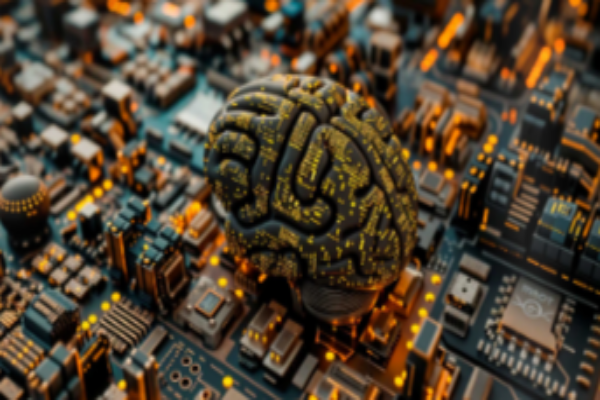
Embedded intelligence refers to the integration of data-driven decision-making capabilities directly into platforms, products, and systems. Unlike traditional models where intelligence was layered on top, today’s systems are designed to think, learn, and adapt in real time. When combined with artificial intelligence, this creates ecosystems that are not only reactive but also predictive and anticipating consumer needs before they are explicitly expressed.
One of the most visible impacts of this shift is hyper-personalization. Consumers today expect experiences that are relevant to their preferences, behaviors, and context. AI-driven platforms analyze vast volumes of data from browsing history and purchase patterns to location and device usage to deliver recommendations that feel intuitive rather than intrusive. Whether it is suggesting the right product, curating content, or optimizing pricing, embedded intelligence ensures that each interaction is meaningful.
However, personalization is just one layer. The real power of embedded intelligence lies in creating seamless, connected experiences across channels. A consumer may start their journey on a mobile app, continue on a desktop, and complete a purchase in-store. AI platforms unify these fragmented interactions into a single view, enabling brands to deliver consistency at every stage. This omnichannel coherence is critical in building trust and long-term engagement.
Another significant advancement is the rise of real-time responsiveness. Traditional customer engagement often relied on static rules or delayed insights. Today, AI-driven systems process data instantly, allowing businesses to respond dynamically. For instance, if a user abandons a cart, the system can trigger a personalized nudge; if a customer faces an issue, intelligent chatbots can resolve queries instantly or route them to the right support channel. This immediacy not only enhances convenience but also reduces friction in the consumer journey.
Embedded intelligence is also transforming product ecosystems themselves. Smart devices, IoT-enabled products, and connected platforms are continuously collecting and analyzing data to improve functionality and user experience. From wearable devices that monitor health metrics to connected vehicles that optimize performance, intelligence is no longer external, it is built into the product. This creates a feedback loop where products evolve based on real-world usage, leading to better outcomes for consumers.
For businesses, these advancements translate into deeper insights and more efficient operations. AI-driven platforms enable predictive analytics, helping organizations forecast demand, optimize inventory, and design targeted campaigns. They also reduce manual intervention by automating routine processes, allowing teams to focus on strategic initiatives. Importantly, this intelligence is scalable: what works for one segment can be adapted and expanded across markets.
That said, as embedded intelligence becomes more pervasive, it also brings challenges that businesses must address responsibly. Data privacy and security are paramount. Consumers are increasingly aware of how their data is used, and trust plays a critical role in adoption. Transparent data practices, robust security frameworks, and ethical AI usage are essential to sustaining long-term relationships.
Moreover, the human element cannot be overlooked. While AI enhances efficiency and personalization, meaningful consumer experiences still require empathy, creativity, and contextual understanding. The most successful organizations will be those that strike the right balance and leverage technology to augment human capabilities rather than replace them.
Looking ahead, the convergence of embedded intelligence and AI will continue to blur the boundaries between digital and physical experiences. As technologies like edge computing, 5G, and advanced analytics mature, the ability to deliver real-time, context-aware interactions will become even more refined. Consumers will not just expect connected experiences: they will assume them.
In this evolving landscape, businesses must rethink their approach to engagement. It is no longer about isolated campaigns or touchpoints, but about building intelligent ecosystems that adapt, learn, and grow with the consumer. Embedded intelligence is not just a technological upgrade; it is a strategic shift towards creating experiences that are seamless, predictive, and deeply personalized.
For organizations willing to embrace this change, the opportunity is significant. By harnessing the power of AI-driven platforms, they can move beyond transactions to build lasting relationships turning every interaction into a moment of value.