
The modern world runs on connectivity. From electric vehicles and industrial robots to renewable energy systems and advanced telecommunications infrastructure, electrical connections serve as the foundation of today’s technological ecosystem. At the heart of these connections lies a critical component that often goes unnoticed—the wire harness.
Wire harnesses enable the safe and efficient transmission of power and data across complex systems, making them indispensable across multiple industries. As organizations worldwide invest in electrification, automation, and smart technologies, demand for advanced wire harness solutions is increasing rapidly.
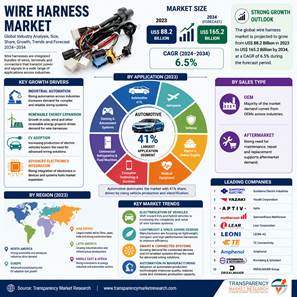
According to industry estimates, the global Wire Harness Market was valued at USD 101.1 Billion in 2025 and is projected to reach USD 173.9 Billion by 2036, growing at a CAGR of 5.6% from 2026 to 2036. The market’s expansion is fueled by rising electric vehicle production, increasing automation in manufacturing facilities, growing investments in renewable energy projects, and the continuous evolution of connected technologies.
Understanding the Role of Wire Harnesses in Modern Systems
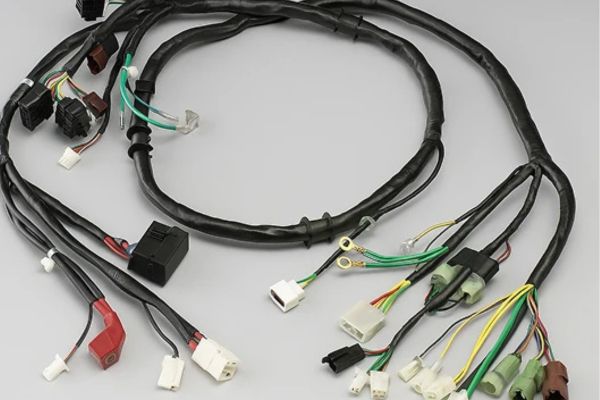
A wire harness is a bundled assembly of electrical wires, connectors, terminals, and protective coverings designed to organize and secure electrical circuits within a device or machine.
Without wire harnesses, modern equipment would require numerous loose wires, increasing installation complexity, maintenance challenges, and safety risks. Harnesses simplify electrical architecture while improving reliability and reducing assembly time.
Today, wire harnesses are used extensively across automotive, aerospace, industrial machinery, healthcare devices, telecommunications equipment, and energy infrastructure. As systems become more sophisticated, harnesses are evolving from simple wiring assemblies into highly engineered components capable of supporting complex electronic networks.
Automotive Industry Remains the Largest Demand Generator
The automotive sector continues to dominate global wire harness consumption.
Modern vehicles contain hundreds of electronic components that require reliable electrical connectivity. Engine control units, infotainment systems, lighting systems, sensors, safety technologies, and communication modules all depend on wire harness assemblies.
The growing adoption of electric vehicles has significantly increased wiring requirements. Electric vehicles contain complex battery packs, charging systems, power electronics, and energy management units that require extensive wiring networks.
Furthermore, next-generation vehicle technologies such as autonomous driving, vehicle connectivity, and advanced driver assistance systems (ADAS) are creating additional demand for high-performance wire harness solutions.
As automakers continue investing billions of dollars in electric mobility platforms, wire harness manufacturers are expected to experience sustained growth opportunities throughout the forecast period.
High-Voltage Harnesses Gaining Importance
The transition toward electrified transportation is driving demand for specialized high-voltage wire harnesses.
Unlike traditional automotive wiring systems, electric vehicles require harnesses capable of safely transmitting high-voltage power between batteries, inverters, electric motors, and charging systems.
Manufacturers are developing innovative high-voltage solutions featuring enhanced insulation materials, improved thermal resistance, and advanced safety mechanisms. These harnesses help ensure reliable performance while meeting increasingly stringent safety standards.
As global electric vehicle production continues expanding, high-voltage wire harnesses are expected to become one of the fastest-growing segments within the industry.
Industrial Automation Creating Significant Opportunities
Industrial automation is transforming manufacturing operations worldwide.
Companies are increasingly deploying robotics, automated production lines, smart sensors, and industrial Internet of Things (IIoT) technologies to improve operational efficiency and reduce costs.
Wire harnesses play a vital role in these environments by connecting motors, controllers, sensors, and communication systems. Automated equipment requires robust wiring assemblies capable of withstanding vibration, continuous movement, temperature fluctuations, and harsh industrial conditions.
The rise of smart factories is further increasing demand for customized harness solutions designed to support real-time monitoring, predictive maintenance, and machine-to-machine communication.
As industries continue pursuing digital transformation strategies, the wire harness market is expected to benefit from growing investments in automation infrastructure.
Telecommunications and Data Centers Driving Growth
The rapid expansion of digital services has significantly increased the need for advanced communication infrastructure.
Cloud computing, artificial intelligence, edge computing, and 5G deployment are driving investments in hyperscale data centers and networking equipment. These facilities require sophisticated wiring architectures to manage massive volumes of data while maintaining reliability and efficiency.
Wire harnesses provide essential connectivity between servers, storage systems, networking devices, and power distribution equipment. As demand for digital services continues to grow, telecommunications and data center applications are becoming increasingly important revenue streams for wire harness manufacturers.
The development of next-generation communication technologies is expected to create additional opportunities in the coming years.
Renewable Energy Projects Supporting Market Expansion
Global efforts to reduce carbon emissions are accelerating investments in renewable energy infrastructure.
Solar farms, wind turbines, battery storage systems, and smart grids all depend on reliable electrical connectivity to ensure efficient operation and energy transmission.
Wire harnesses are critical components within renewable energy systems, connecting power generation equipment, monitoring devices, and control systems.
Governments worldwide are introducing policies aimed at increasing renewable energy adoption and improving energy security. These initiatives are expected to create long-term demand for specialized wire harness products designed for harsh outdoor environments and high-performance applications.
Supply Chain Modernization Strengthening Industry Growth
The wire harness industry is also undergoing significant supply chain transformation.
Manufacturers are increasingly adopting digital manufacturing technologies, automated assembly systems, and advanced quality-control processes to improve efficiency and reduce production costs.
Many companies are diversifying manufacturing operations across multiple regions to improve supply chain resilience and minimize disruptions.
Additionally, investments in smart manufacturing technologies are enabling faster production cycles, higher precision, and greater customization capabilities.
As customer requirements become more complex, manufacturers that embrace digital transformation and operational excellence are expected to gain a competitive advantage.
Leading Companies Shaping Market Development
The competitive landscape of the global wire harness market includes several multinational manufacturers with extensive industry expertise.
Key market participants include Aptiv Plc, Coroplast Fritz Müller GmbH & Co. KG, Draexlmaier Group, Electrical Components International, Inc., Fujikura Ltd., Furukawa Electric Co. Ltd., Kromberg & Schubert, KYUNGSHIN, Lear Corporation, LEONI AG, Nexans S.A., Samvardhana Motherson International Limited, Sumitomo Electric Industries, Ltd., Yazaki Corporation, and YURA Corp.
These companies continue focusing on innovation, geographic expansion, strategic acquisitions, and manufacturing automation to strengthen their positions in the evolving marketplace.
Recent Industry Advancements Reflect Strong Market Confidence
Several notable developments highlight the industry’s momentum.
In April 2026, Amphenol introduced its XtremePass Co-Packaged Copper interconnect system at DesignCon 2026, showcasing ultra-high-speed connectivity solutions designed for AI platforms, advanced networking systems, and data center environments.
In March 2026, Yazaki North America continued development of its second manufacturing facility in Pajapita, Guatemala, aimed at expanding automotive wire harness production capabilities.
In July 2025, Sumitomo Electric Wiring Systems announced a USD 17 million expansion of its Kentucky facility, adding automated assembly equipment, injection-molding capabilities, and additional warehousing capacity.
Meanwhile, Lear Corporation enhanced its advanced manufacturing capabilities through the acquisition of StoneShield Engineering, a company specializing in robotics and automated wire harness production technologies.
The Road Ahead
The wire harness market is entering a period of sustained growth driven by technological innovation and global electrification trends. Increasing adoption of electric vehicles, expansion of industrial automation, growth of renewable energy infrastructure, and rising demand for digital connectivity are creating a favorable environment for manufacturers.
As industries continue evolving toward smarter, more connected systems, wire harnesses will remain indispensable components enabling efficient power distribution and seamless communication.