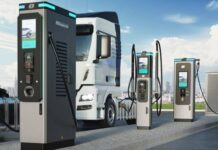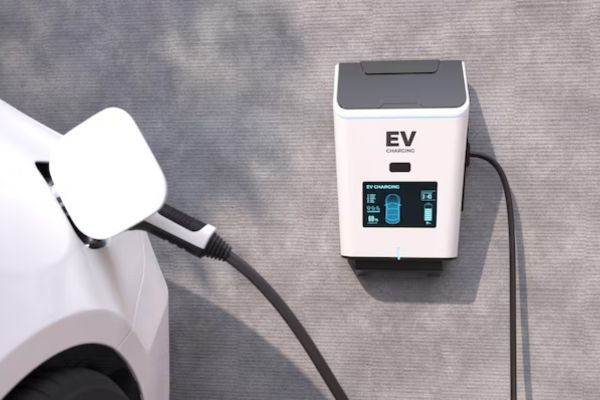
The global electric vehicle (EV) charging station market is entering a transformative growth phase, fueled by the accelerating adoption of electric vehicles, supportive government policies, and technological innovations in charging infrastructure.
According to Precedence Research, the electric vehicle charging station market size was valued at USD 57.34 billion in 2025 and is projected to reach approximately USD 548.05 billion by 2035, expanding at a remarkable CAGR of 25.32% during the forecast period from 2026 to 2035.
As nations intensify efforts to reduce carbon emissions and transition toward sustainable transportation systems, EV charging infrastructure has emerged as a critical enabler of electric mobility. Governments, utilities, automotive manufacturers, and private investors are collectively investing billions of dollars to establish robust charging networks capable of supporting the next generation of electric vehicles.
Asia Pacific Leads Global EV Charging Infrastructure Development
Asia Pacific accounted for the largest market share of 49.78% in 2025 and is expected to remain the fastest-growing and most lucrative regional market throughout the forecast period. China continues to dominate the global EV ecosystem through large-scale infrastructure deployment and government-backed electrification initiatives.
Countries including India, Japan, South Korea, and Singapore are significantly increasing investments in charging networks to support growing EV adoption. China alone operates more than half a million public charging stations and continues expanding its infrastructure through strategic national investments.
India is also emerging as a major growth market, supported by the government’s FAME initiative and substantial investments from leading energy companies. The country currently operates over 25,000 public EV charging stations and is targeting significant network expansion over the coming years.
Artificial Intelligence Revolutionizing EV Charging Networks
Artificial Intelligence is increasingly transforming the EV charging ecosystem by optimizing charging station deployment, improving energy management, and enhancing customer experiences.
AI-powered systems can analyze traffic patterns, weather conditions, and charging behavior to identify ideal locations for new charging stations. Advanced algorithms also help balance electricity demand across the grid, reduce waiting times, predict maintenance requirements, and optimize charging schedules.
Industry leaders are already leveraging AI-powered charging solutions. Tesla, for example, utilizes intelligent charging management within its Supercharger network to guide drivers toward less congested stations while preconditioning vehicle batteries for faster charging performance.
Fast Charging and Wireless Technologies Gain Momentum
Among charging levels, Level 2 chargers held the largest market share of 66.24% in 2025 due to their affordability and widespread residential adoption. However, Level 3 fast chargers are expected to witness the fastest growth during the forecast period as consumers increasingly demand rapid charging solutions for long-distance travel and commercial applications.
Wireless charging technology is also emerging as a major innovation area. By eliminating physical cables and simplifying the charging experience, wireless charging solutions are attracting growing interest from automakers, infrastructure providers, and consumers alike.
Public charging stations continue to dominate market demand, accounting for more than 85% of total market share in 2025. Their accessibility, scalability, and ability to support long-distance travel make them essential for widespread EV adoption.
Global Investments Accelerate Charging Infrastructure Deployment
Governments worldwide are introducing substantial funding programs to strengthen charging networks and accelerate transportation electrification.
Recent initiatives include:
• The United States’ USD 7.5 billion federal investment in EV charging infrastructure.
• India’s allocation of Rs. 800 crore to establish more than 7,400 public fast-charging stations.
• China’s ambitious plans to continue expanding one of the world’s largest charging networks.
• The United Kingdom’s incentives covering up to 75% of home charger installation costs.
• Major investments across Europe aimed at expanding ultra-fast charging corridors and supporting long-distance electric mobility.
Private-sector participation is equally significant. Companies such as Tesla, ABB, ChargePoint, EVgo, Siemens, BP Pulse, Shell Recharge, and TotalEnergies continue expanding charging networks and introducing next-generation charging technologies.
Why Are Investors Increasingly Betting on the Electric Vehicle Charging Station Market?
As electric vehicle adoption accelerates worldwide, investors view the EV charging station market as one of the most promising infrastructure opportunities of the next decade. With the market projected to grow from USD 57.34 billion in 2025 to USD 548.05 billion by 2035, charging networks are becoming a critical component of the clean mobility ecosystem. Government incentives, public-private partnerships, and rising demand for fast-charging solutions are creating long-term revenue opportunities through charging services, subscriptions, fleet charging, and energy management solutions.
How Can Businesses Capitalize on the Expanding EV Charging Infrastructure Boom?
For businesses, EV charging stations are evolving from a utility offering into a strategic growth asset. Retail centers, hotels, office complexes, fuel stations, and fleet operators are installing charging infrastructure to attract customers, increase dwell time, generate additional revenue streams, and strengthen sustainability credentials. As smart charging, AI-powered energy optimization, and vehicle-to-grid (V2G) technologies gain traction, businesses that invest early in EV charging infrastructure can position themselves at the forefront of the rapidly expanding electric mobility economy.
Market Drivers Creating Long-Term Growth Opportunities
Several powerful trends are supporting the market’s rapid expansion:
- Rising global adoption of electric vehicles.
- Government incentives promoting sustainable transportation.
- Growing deployment of vehicle-to-grid (V2G) technologies.
- Increasing demand for smart and connected charging solutions.
- Expansion of electric commercial fleets and shared mobility services.
- Growth of subscription-based charging models.
- Advancements in battery technology and fast-charging capabilities.
The transition toward cleaner transportation is also creating new opportunities for integrating renewable energy, smart grids, and energy storage solutions with EV charging infrastructure.
Challenges Remain Despite Strong Momentum
Despite robust growth prospects, the industry faces several challenges, including limitations in existing grid infrastructure, regulatory complexities, high installation costs, and the lack of universal charging standards across vehicle manufacturers.
Grid modernization and interoperability improvements will remain critical priorities as EV adoption continues to accelerate globally.
Industry Outlook
With governments, automakers, utilities, and technology providers aligned toward a common goal of transportation decarbonization, the EV charging station market is poised for unprecedented expansion over the next decade.
As charging infrastructure becomes faster, smarter, and more accessible, it will play a central role in supporting the global shift toward sustainable mobility. The market’s projected rise to USD 548.05 billion by 2035 highlights both the scale of future opportunities and the strategic importance of charging networks in the evolving electric vehicle ecosystem.