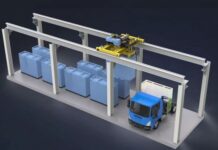

What is 3D Automotive Printing?
3D automotive printing, also known as additive manufacturing, is the process of creating three-dimensional automotive parts directly from a digital model. Unlike traditional manufacturing methods that involve cutting, molding, or machining, 3D printing builds parts layer by layer, often using materials like plastics, metals, or composites. This allows for unparalleled precision, flexibility, and speed in producing automotive components.
According to Vision Research reports, the 3D automotive printing market is witnessing rapid growth, driven by the rising demand for customized vehicle components, cost-efficient production, and the ability to manufacture complex, lightweight designs. The technology facilitates rapid prototyping, on-demand tooling, and localized manufacturing, strengthening supply chain resilience and reducing lead times. Continuous material innovations and a growing focus on sustainable, low-waste production further propel adoption, while advanced software solutions and AI-assisted printers enhance precision and efficiency.

Growth Opportunities in Automotive 3D Printing
Advances in industrial 3D printing larger build sizes, faster speeds, and greater design and material flexibility are making it increasingly viable for low- to medium-volume production of complex automotive parts. Emerging growth areas include:
- Green Mobility: 3D printing enables lightweight parts that reduce vehicle weight, improving fuel efficiency and EV range (a 10% weight reduction can boost EV range by up to 14%). It also cuts carbon emissions by localizing production and minimizes material waste compared to traditional machining.
- Electric Vehicles: EV adoption drives demand for lightweight, low- to mid-volume parts to offset battery weight and extend range. New EV startups, free from legacy manufacturing constraints, are turning to 3D printing for flexible, scalable production.
- 3D-Printed Cars: Companies like Divergent are pioneering fully 3D-printed vehicles, such as their Blade supercar, using lightweight yet strong structures.
Use Smart Software to Design Stronger, Lighter Parts
One of the biggest advantages of 3D automotive printing is its integration with AI and smart design software. Engineers can now simulate how a part will perform under stress, heat, or vibration before it is even printed. AI tools suggest the best shapes and materials to make parts lighter without compromising strength. This means vehicles can be more fuel-efficient, perform better, and still meet safety standards. For example, an AI-designed engine bracket or suspension part can be both lightweight and durable, something very hard to achieve with traditional manufacturing.
How is 3D Printing Transforming the Automotive Industry?
3D printing, also known as additive manufacturing, is reshaping the automotive industry by changing how vehicles are designed, prototyped, and manufactured. Its impact spans across multiple areas:
- Rapid Prototyping and Design Innovation: Traditional prototyping can take months, involving multiple processes and high costs. 3D printing allows automakers to produce functional prototypes in a matter of days. Designers can iterate quickly, test different materials, and optimize components before committing to full-scale production.
- Lightweight and Complex Components: Automotive engineers are constantly seeking ways to reduce vehicle weight for better fuel efficiency and performance. 3D printing allows the creation of intricate, lattice-structured parts that are both strong and lightweight, which would be difficult or impossible with traditional methods.
- Cost Reduction: By producing parts on demand and minimizing waste, 3D printing significantly reduces manufacturing costs. It eliminates the need for expensive molds and tooling, especially for low-volume or custom parts.
Key Applications in the Automotive Industry
One of the key applications of 3D printing in the automotive industry is in prototyping and concept models. Traditional prototyping processes can take months and involve multiple complex steps, but 3D printing allows designers to create accurate, functional prototypes in just a few days. This not only accelerates the concept-to-production timeline but also enables engineers to test and refine designs in real-world conditions.
Additionally, 3D printing plays a crucial role in the production of lightweight parts, which is essential for improving fuel efficiency and overall vehicle performance. By enabling the creation of complex structures, such as lattice frameworks, it allows manufacturers to produce components that are both strong and lightweight something that is difficult to achieve with conventional manufacturing methods.
The Future of 3D Printing in Automotive
Automakers like BMW, Ford, and Tesla are investing heavily in 3D printing to revolutionize car production. Experts predict that as material science advances and printing speeds increase, 3D-printed components could become standard in mass-produced vehicles. Moreover, with the rise of electric and autonomous vehicles, the demand for lightweight, customized, and efficient components will only grow.