

The Global Automotive Telematics Hardware Market is a critical pillar of the connected vehicle ecosystem, providing the physical infrastructure that enables data communication, vehicle tracking, safety systems, and real-time diagnostics. As vehicles evolve into intelligent, software-defined platforms, telematics hardware is becoming indispensable for enabling connectivity, automation, and digital services.
Understanding Automotive Telematics Hardware
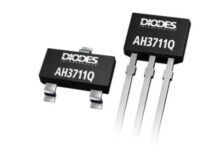
Automotive telematics hardware includes the physical components installed in vehicles to collect, process, and transmit data. These components act as the foundation for telematics systems and connected vehicle technologies.
Key hardware components include:
- Telematics Control Units (TCUs)
- GPS modules
- Cellular communication modules (4G/5G)
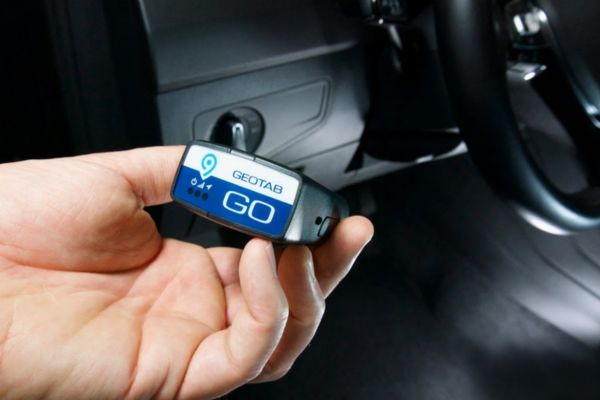
- On-board diagnostics (OBD) devices
- Antennas and signal amplifiers
These components enable functions such as navigation, remote diagnostics, fleet management, emergency services, and vehicle-to-everything (V2X) communication.
Market Size and Growth Outlook
The global automotive telematics hardware market is witnessing robust expansion driven by increasing demand for connected vehicles and advanced safety systems:
- The market was valued at approximately USD 74.3 billion in 2023
- It is projected to grow at a CAGR of around 9.2% through 2033
- Forecasts indicate the market could exceed USD 150 billion by 2031
This strong growth reflects the increasing integration of telematics hardware across both passenger and commercial vehicles.
Key Growth Drivers
Rising Adoption of Connected Vehicles
The shift toward connected mobility is the primary driver of market growth. Modern vehicles rely on continuous data exchange for navigation, diagnostics, and infotainment, increasing demand for telematics hardware.
Expansion of ADAS and Safety Systems
Advanced Driver Assistance Systems (ADAS) require real-time data collection and communication, making telematics hardware essential for enabling safety features.
Growth of Fleet Management Solutions
Commercial fleet operators increasingly depend on telematics hardware for vehicle tracking, route optimization, fuel efficiency, and driver monitoring.
Integration with Electric and Autonomous Vehicles
Electric vehicles (EVs) and autonomous driving technologies rely heavily on telematics hardware for data processing, connectivity, and system coordination.
Market Segmentation Insights
By Product Type
- Telematics Control Units (TCUs)
- On-Board Diagnostics (OBD) systems
- Communication modules (Wi-Fi, GSM, LTE, 5G)
- Antennas and amplifiers
The OBD segment holds a significant share due to its role in monitoring vehicle performance and diagnostics.
By Application
- Safety and security
- Navigation and infotainment
- Remote diagnostics
- Fleet management
Safety and security applications dominate due to increasing regulatory requirements and consumer awareness.
By Vehicle Type
- Passenger vehicles (largest segment)
- Commercial vehicles (rapid growth due to fleet usage)
Emerging Industry Trends
Shift Toward 5G Connectivity
The rollout of 5G networks is enabling faster data transmission, lower latency, and enhanced vehicle communication capabilities.
Integration with AI and Data Analytics
Telematics hardware is increasingly paired with AI-driven analytics for predictive maintenance, driver behavior analysis, and real-time decision-making.
Rise of Software-Defined Vehicles (SDVs)
Vehicles are transitioning toward centralized computing architectures, where telematics hardware plays a key role in supporting software-driven functionalities.
Growth of V2X Communication
Vehicle-to-everything (V2X) technology is gaining traction, enabling communication between vehicles, infrastructure, and networks for improved safety and traffic management.
Regional Insights
- North America and Europe remain leading markets due to early adoption of connected vehicle technologies and strong automotive ecosystems
- Asia-Pacific is the fastest-growing region, driven by rising vehicle production and increasing adoption of smart mobility solutions in countries like China and India
Market Challenges
Despite strong growth prospects, the market faces several challenges:
- High cost of advanced hardware components
- Cybersecurity and data privacy concerns
- Integration complexity with existing vehicle architectures
- Rapid technological obsolescence
However, continuous innovation and economies of scale are expected to mitigate these challenges over time.
Competitive Landscape
The market is highly competitive, with major automotive and electronics companies focusing on innovation and strategic partnerships. Key players include:
- Continental AG
- Bosch
- Denso
- Harman International
- LG Electronics
Companies are investing in advanced hardware platforms, 5G connectivity, and AI-enabled solutions to strengthen their market position.
Future Outlook
The future of the automotive telematics hardware market is closely tied to the evolution of connected, autonomous, and electric vehicles. As vehicles become increasingly intelligent and data-driven, telematics hardware will serve as the backbone of communication and control systems.
With advancements in connectivity, sensor technologies, and software integration, the market is expected to witness sustained growth playing a crucial role in shaping the next generation of smart mobility solutions.