

The global car security systems market is undergoing a meaningful structural transformation. What was once a niche segment dominated by rudimentary alarms and mechanical locks has evolved into a sophisticated, technology-driven industry at the intersection of automotive engineering, cybersecurity, and consumer electronics. With the market valued at $8.2 billion in 2024 and projected to reach $15.4 billion by 2034, the sector is set to nearly double in size over the coming decade, advancing at a compound annual growth rate of 6.6%.
This growth trajectory reflects a confluence of powerful forces: surging vehicle connectivity, escalating theft and cybercrime risks, rising consumer expectations for intelligent protection, and a regulatory environment that is increasingly mandating baseline security standards in new vehicle production. Across passenger cars and commercial fleets alike, demand for integrated, real-time, and remotely managed security solutions is reshaping the competitive landscape and creating fresh opportunities for both established Tier-1 suppliers and agile technology entrants.
Key Market Drivers
Rise of Connected Vehicle Technology
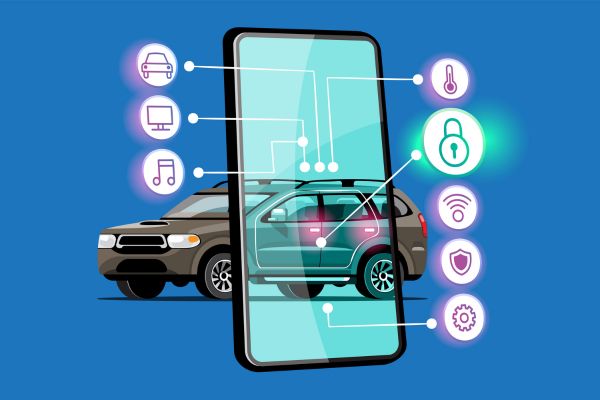
Perhaps the most consequential trend reshaping this market is the proliferation of connected vehicle architecture. Today’s automobiles are no longer isolated mechanical systems — they are software-defined platforms embedded with internet connectivity, sensor arrays, telematics modules, and cloud-linked services. This connectivity brings immense functional value, enabling features like real-time navigation updates, remote diagnostics, over-the-air software patches, and driver behavior monitoring. However, it simultaneously expands the attack surface available to malicious actors.
When a vehicle can communicate with external servers, mobile apps, and smart city infrastructure, it can also be exposed to hacking attempts, data exfiltration, and unauthorized remote access. Security systems capable of monitoring network traffic, detecting anomalous behavior, and triggering alerts in real time are therefore becoming as essential as airbags or ABS brakes. The increasing standard-fitment of connected features in mainstream vehicles — not just in luxury tiers — means that demand for robust cybersecurity-integrated protection is spreading rapidly across the market.
Growing Vehicle Theft Rates and Urbanization
Rising urbanization across developing economies is expanding both vehicle ownership and theft incidence. As more households in Asia, Latin America, Africa, and the Middle East acquire first or second cars, insurance providers and regulators are encouraging — and in some markets mandating — the installation of certified security systems. Immobilizers, GPS trackers, and alarm systems are often prerequisites for comprehensive auto insurance coverage, making them effectively a market requirement rather than an optional feature.
Simultaneously, sophisticated theft methodologies, including relay attacks on keyless entry systems and OBD port exploits, are driving demand for more advanced countermeasures. Consumers and fleet operators are no longer satisfied with static deterrence; they want dynamic, intelligent systems that can respond to evolving threat profiles.
Smart Technology Integration and Consumer Expectations
Consumer comfort with smartphone-controlled devices, biometric authentication, and always-on connectivity has raised the bar for what car security should look and feel like. Modern buyers expect to lock, unlock, and monitor their vehicles remotely; to receive instant push notifications if an intrusion is detected; and to integrate their vehicle’s security status with broader smart home ecosystems. This behavioral shift is pulling the market toward feature-rich, app-enabled systems and creating premium-tier demand even in moderately priced vehicle segments.
Market Restraints
Despite its favorable growth outlook, the car security systems market faces a notable headwind in the form of elevated upfront costs. Advanced protection technologies — biometric access controls, AI-powered surveillance modules, real-time GPS tracking with continuous cloud connectivity, and remote immobilization capabilities — carry significant installation and subscription costs that are difficult to recoup in entry-level or economy vehicle segments.
Premium security packages are predominantly found in higher-end models, leaving a large portion of the global vehicle parc — particularly in price-sensitive markets across Southeast Asia, Sub-Saharan Africa, and parts of South America — underserved by cutting-edge solutions. Ongoing subscription fees for software maintenance, firmware updates, and monitoring services further compound the total cost of ownership, creating friction for adoption. Until the industry can meaningfully reduce per-unit costs through greater scale, commoditization of sensor hardware, and competitive SaaS pricing, cost sensitivity will remain a constraint on market penetration.
Market Segmentation Overview
By Product Type: The market spans alarm systems, keyless entry systems, immobilizers, central locking systems, and a catch-all category of other emerging technologies. Central locking is identified as the segment expected to exhibit the most significant near-term growth, benefiting from its broad applicability across vehicle classes and its natural integration with remote access features. Immobilizers continue to hold relevance given their efficacy as a theft deterrent, while keyless entry is being progressively enhanced with ultra-wideband (UWB) and near-field communication (NFC) technologies to counter relay attack vulnerabilities.
By Vehicle Type: Passenger vehicles account for the dominant share of market demand, underpinned by the sheer volume of personal vehicle sales globally and the strong consumer preference for protecting personal assets. Commercial vehicles, while representing a smaller segment today, are expected to post higher growth rates as logistics operators and fleet managers adopt GPS-integrated, remotely manageable security solutions to protect high-value cargo and reduce insurance premiums.
By Sales Channel: The OEM channel — where security systems are built into new vehicles at the factory — currently holds the larger share, reflecting automakers’ integration of baseline security features as standard equipment and, in some markets, as a regulatory requirement. However, the aftermarket segment is projected to accelerate meaningfully over the forecast period. This reflects a large installed base of older vehicles whose owners are seeking to upgrade protection capabilities, as well as growing consumer awareness of retrofit smart security options. Aftermarket growth is particularly pronounced in regions with aging vehicle fleets and high urbanization.
Regional Landscape
The car security systems market is analyzed across four geographies: North America, Europe, Asia-Pacific, and LAMEA (Latin America, Middle East, and Africa). Each region presents a distinct profile shaped by vehicle ownership rates, regulatory frameworks, technological maturity, and economic conditions.
Asia-Pacific stands out as the most dynamic regional market, driven by the world’s largest automotive production and sales base. China, India, Japan, and South Korea collectively account for a substantial portion of new vehicle output, and the rapid expansion of connected vehicle platforms in the region is accelerating demand for integrated security. India in particular is emerging as a fast-growing market, with rising incomes, expanding urban mobility, and heightened consumer awareness all contributing to accelerated uptake.
North America and Europe maintain mature market positions, characterized by high penetration of OEM-installed systems, robust insurance-driven demand, and stringent regulatory standards. Both regions are at the forefront of connected car cybersecurity requirements, with regulators increasingly scrutinizing automakers’ digital security architectures. This regulatory pressure is expected to sustain steady demand growth even in relatively saturated markets.
LAMEA represents a high-potential frontier. Rapid urbanization, growing vehicle ownership in Gulf Cooperation Council countries and select African markets, and government investment in smart transportation infrastructure are all creating conditions favorable to market expansion. While cost sensitivity remains a barrier in parts of the region, the growing middle class and insurance ecosystem development are gradually eroding this constraint.
Strategic Outlook and Emerging Opportunities
Several strategic themes are expected to define the next phase of market evolution. First, the integration of artificial intelligence and machine learning into threat detection systems represents a significant differentiation frontier. AI-enabled systems can analyze behavioral patterns, identify anomalies in real time, and reduce false-positive alert rates — a key consumer pain point with legacy alarm systems.
Second, the convergence of vehicle security with broader smart mobility ecosystems — including vehicle-to-infrastructure (V2X) communication, digital key sharing, and fleet telematics — is blurring the boundaries of what constitutes a security system. Vendors who can offer holistic mobility security platforms, rather than point solutions, are likely to capture disproportionate share.
Third, the aftermarket channel offers significant white space, particularly in markets where the vehicle fleet is aging and owners are motivated to upgrade legacy systems with modern smartphone-connected alternatives. Companies that can offer modular, retrofit-friendly solutions with intuitive user interfaces will find a receptive audience among the millions of vehicle owners globally who were not served by OEM-integrated security at the time of purchase.
Finally, regulatory tailwinds are expected to accelerate across multiple regions. European cybersecurity regulations for vehicles, evolving UN-ECE standards, and insurance industry guidelines are all moving toward mandating higher baseline security specifications. For suppliers positioned in the OEM channel, this regulatory momentum provides a predictable demand catalyst over the medium term.
Conclusion
The car security systems market occupies a strategically vital position at the convergence of automotive technology, cybersecurity, and consumer electronics. Its projected growth from $8.2 billion in 2024 to $15.4 billion by 2034 reflects not merely rising vehicle volumes, but a fundamental shift in how vehicles are conceived — as connected, software-rich assets that require active, intelligent protection.
For investors, suppliers, and automotive industry stakeholders, the road ahead offers compelling opportunities alongside meaningful execution challenges. Those who invest early in AI-driven detection, connected vehicle cybersecurity, and scalable aftermarket solutions will be best positioned to capture value as this market matures over the next decade.