
According to Cervicorn Consulting, the global hydrogen bikes market size was valued at approximately USD 2.11 billion in 2025 and is projected to surpass around USD 33.57 billion by 2035, expanding at a remarkable CAGR of 31.9% during the forecast period from 2026 to 2035. The market is gaining significant momentum due to the growing demand for zero-emission mobility solutions, rapid advancements in hydrogen fuel cell technology, and increasing investments in sustainable transportation infrastructure worldwide.
Hydrogen-powered bikes are emerging as a promising alternative to conventional electric and fuel-based two-wheelers owing to their extended driving range, lightweight energy systems, and quick refueling capabilities. Unlike battery-powered electric bikes that require long charging durations, hydrogen bikes can be refueled within minutes, making them highly suitable for urban commuting, logistics operations, and long-distance transportation. The rising emphasis on reducing greenhouse gas emissions and dependence on fossil fuels is further accelerating the adoption of hydrogen mobility solutions globally.

Government initiatives promoting green hydrogen ecosystems and clean transportation are playing a crucial role in market expansion. Several countries across Europe, Asia-Pacific, and North America are introducing favorable regulations, subsidies, and infrastructure development programs to support hydrogen-powered mobility. Increasing public and private investments in hydrogen production, storage, and refueling stations are expected to create strong growth opportunities for hydrogen bike manufacturers over the coming years.
Technological advancements in compact fuel cell systems, lightweight hydrogen tanks, and energy-efficient propulsion technologies are significantly improving the performance and affordability of hydrogen bikes. Manufacturers are increasingly focusing on enhancing vehicle durability, fuel efficiency, and safety standards to attract consumers and commercial fleet operators. In addition, the integration of smart mobility technologies and connected transportation systems is expected to further boost market adoption in smart cities and urban mobility projects.
The growing popularity of sustainable mobility solutions among environmentally conscious consumers is also contributing to the market’s rapid growth. Rising fuel prices, urban congestion, and stricter emission norms are encouraging consumers to shift toward cleaner and more efficient transportation alternatives. Hydrogen bikes are increasingly being considered a viable solution for last-mile delivery services, bike-sharing programs, and commercial transportation applications due to their operational efficiency and lower environmental impact.
Report Highlights
- By Region, Asia Pacific hi highest revenue share of 42.8% due to strong government hydrogen initiatives and large two-wheeler demand.
- By Region, Europe accounted for 27.4% share, supported by strict emission regulations and expanding hydrogen infrastructure.
- By Type, the hydrogen fuel cell bikes generated highest revenue share 68.5% market share owing to zero-emission operation and fast refueling capability.
- By Vehicle Type, the hydrogen e-bikes capturing highest share of 39.2% driven by urban mobility adoption.
- By Technology, the PEM fuel cell technology garnered share of 71.3% because of its lightweight structure and suitability for two-wheel mobility.
- By Power Output, the below 50 kW segment held revenue share of 52.4% due to strong demand for low-power urban commuting vehicles.
- By Application, the personal mobility segment held revenue share at 46.7%, supported by rising adoption of sustainable commuting solutions.
- By Application, the commercial use (Delivery & Logistics) represented 24.9% of the market and remains the fastest-growing application segment.
Asia-Pacific is expected to dominate the hydrogen bikes market during the forecast period owing to strong government support for hydrogen mobility, rapid urbanization, and increasing investments in green energy infrastructure in countries such as China, Japan, and South Korea. Europe is also witnessing significant market growth driven by stringent carbon emission regulations and growing adoption of sustainable transportation systems. Meanwhile, North America is anticipated to experience steady growth due to increasing investments in hydrogen innovation and clean energy initiatives.
Major market participants are actively focusing on strategic collaborations, technological innovation, product launches, and expansion initiatives to strengthen their market position. Companies are investing heavily in research and development activities to improve hydrogen fuel efficiency, reduce manufacturing costs, and enhance vehicle performance. As hydrogen infrastructure continues to expand globally, the hydrogen bikes market is expected to witness substantial long-term growth and become an important segment within the future sustainable mobility ecosystem.
Recent Major Milestones
Kawasaki Showcased Hydrogen Motorcycle Technology at Le Mans
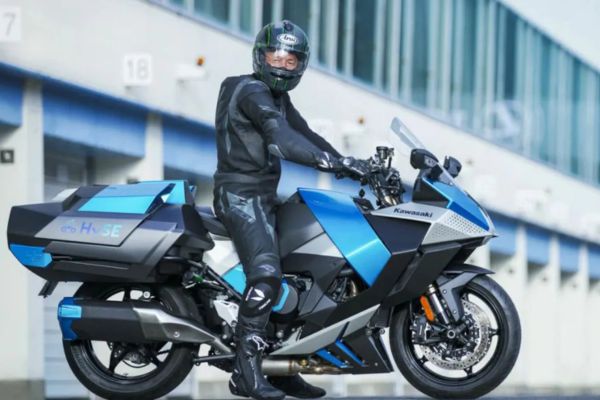
Kawasaki Heavy Industries marked a significant breakthrough in hydrogen-powered mobility by publicly unveiling its hydrogen-fueled Ninja H2 HySE motorcycle during the 2025 Le Mans racing event. The bike features a modified supercharged hydrogen combustion engine designed specifically for high-performance applications. This demonstration highlighted the practical viability of hydrogen technology in two-wheel transportation and strengthened confidence among consumers, investors, and industry stakeholders. The successful showcase also emphasized the growing importance of motorsports as a real-world testing environment for next-generation clean mobility technologies, thereby accelerating global interest in hydrogen-powered motorcycles.
HySE Consortium Accelerated Hydrogen Engine Innovation
The Hydrogen Small mobility & Engine technology Association (HySE), supported by leading manufacturers such as Honda Motor Co., Yamaha Motor, Suzuki Motor Corporation, and Kawasaki Heavy Industries, expanded its collaborative efforts in hydrogen engine development through advanced prototype testing and participation in the Dakar Rally. The consortium is actively working toward standardizing hydrogen engine systems for small mobility vehicles while improving research and development efficiency through joint investments. These initiatives are supporting the growth of the hydrogen bikes market by lowering development expenses, advancing fuel-system technologies, and encouraging stronger participation from component suppliers and hydrogen infrastructure providers.
India Expanded Green Hydrogen Mobility Initiatives
The Government of India strengthened its commitment to sustainable transportation through multiple pilot projects introduced under the National Green Hydrogen Mission. The initiative focuses on accelerating hydrogen mobility adoption across several transport segments by supporting hydrogen-powered vehicles, refueling infrastructure, and domestic hydrogen production capabilities. These developments are creating a supportive ecosystem for hydrogen-powered two-wheelers by reducing reliance on fossil fuels and promoting clean energy transportation solutions. In addition, the program is attracting substantial interest from mobility startups and automotive manufacturers seeking growth opportunities in India’s rapidly evolving alternative-fuel vehicle market.
Hyundai Increased Investment in Hydrogen Fuel Cell Manufacturing
Hyundai Motor Company reinforced the global hydrogen mobility ecosystem by initiating the construction of a large-scale hydrogen fuel-cell manufacturing facility in South Korea with an investment of nearly USD 654 million. The new facility is expected to manufacture advanced fuel cells and electrolyzers for multiple transportation applications, supporting the broader commercialization of hydrogen-powered mobility solutions. This expansion is indirectly benefiting the hydrogen bikes market by improving fuel-cell production scalability, reducing manufacturing costs, and accelerating innovation in lightweight hydrogen technologies suitable for two-wheel vehicles. The increasing industrial-scale production of fuel-cell systems is expected to enhance affordability and drive wider adoption of hydrogen mobility worldwide.