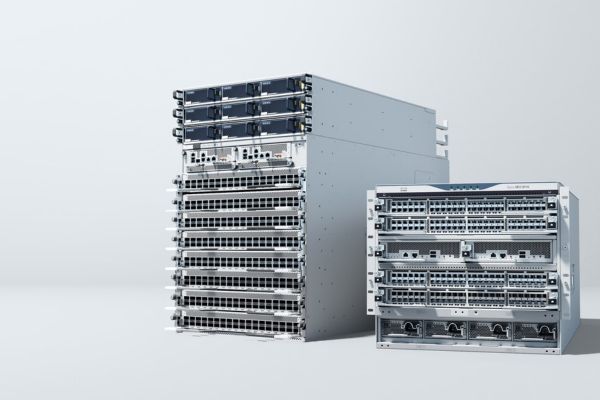
The rapid expansion of cloud computing, artificial intelligence workloads, streaming services, and enterprise digital transformation has significantly increased the need for faster and more reliable networking infrastructure. At the center of this evolution lies the modern data center, where efficient communication between servers, storage systems, and applications depends heavily on advanced switching technologies. As organizations process larger volumes of data and move toward highly connected ecosystems, network efficiency has become a strategic priority rather than simply an IT requirement.
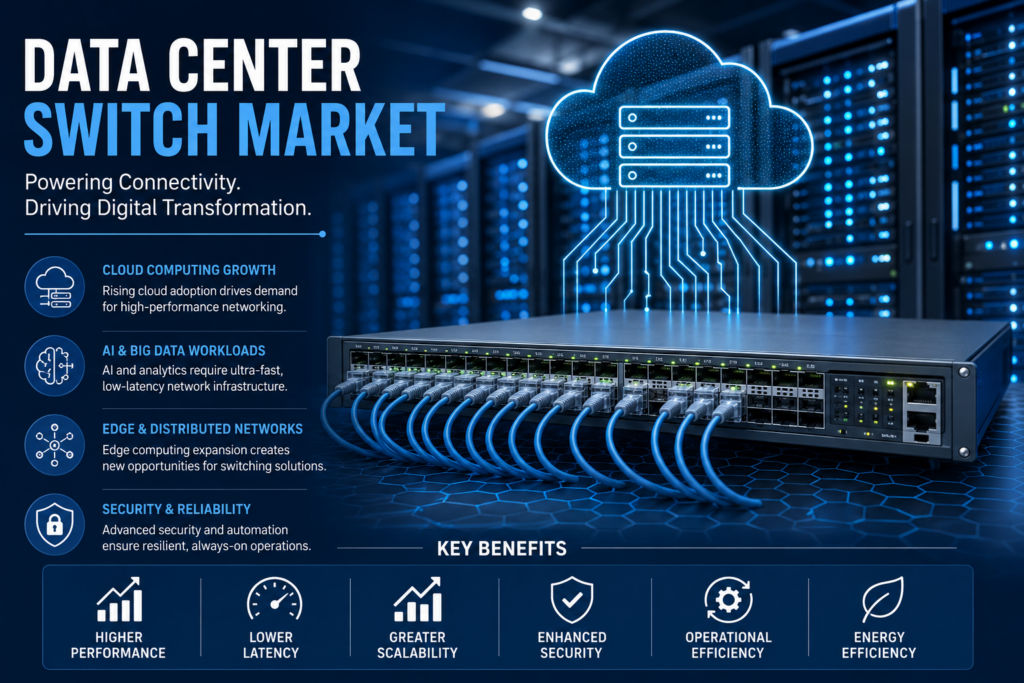
The Data Center Switch Market has emerged as a crucial component of this transformation, enabling organizations to build scalable, high-performance infrastructure that supports increasingly demanding workloads. From hyperscale facilities to enterprise environments, switches play a critical role in maintaining speed, reducing latency, and improving operational efficiency.
Why Data Centers Need Advanced Switching Technologies
Modern enterprises generate and process enormous amounts of information every second. Traditional network infrastructure often struggles to keep pace with rapidly expanding workloads, especially as organizations adopt cloud-native architectures, AI applications, and real-time analytics.
Advanced switching technologies are designed to manage large volumes of traffic efficiently while maintaining reliability and minimizing bottlenecks. These systems support faster communication across network layers, helping businesses improve application performance and user experiences.
Organizations are also prioritizing network flexibility. As workloads shift between on-premise facilities, hybrid environments, and cloud platforms, switching infrastructure must support seamless integration while maintaining security and scalability.
Cloud Computing Growth Is Reshaping Network Infrastructure
Cloud computing continues to transform enterprise IT strategies worldwide. Organizations increasingly depend on cloud platforms for storage, analytics, software delivery, and business applications. This shift has created substantial pressure on network infrastructure to deliver high-speed connectivity.
Data centers supporting cloud environments require advanced switches capable of handling large traffic volumes while maintaining low latency. Hyperscale operators continue expanding infrastructure footprints to meet growing demand from enterprises and consumers.
The expansion of multi-cloud strategies has further increased networking complexity. Organizations frequently distribute workloads across multiple providers, requiring sophisticated switching solutions that maintain consistent performance across diverse environments.
According to industry observations from Persistence Market Research, investments in cloud infrastructure modernization continue to support networking technology adoption across multiple sectors. Businesses are increasingly prioritizing infrastructure capable of supporting future digital expansion.
Artificial Intelligence Workloads Are Driving Higher Network Speeds
Artificial intelligence applications require substantial computational resources and generate massive amounts of data traffic. Training machine learning models, processing real-time analytics, and running advanced algorithms place significant demands on network performance.
High-bandwidth switching infrastructure enables faster movement of datasets between storage systems, processing units, and computing clusters. Low-latency connectivity has become particularly important as organizations adopt AI-powered applications across healthcare, finance, retail, and manufacturing sectors.
The growing use of graphics processing units and accelerated computing platforms has also increased demand for faster networking environments. Businesses increasingly require switching solutions that can support intensive computational workloads without compromising efficiency.
As AI adoption accelerates globally, networking requirements are expected to become increasingly sophisticated, encouraging further innovation in switching technologies.
Edge Computing and Distributed Networks Create New Opportunities
The rise of edge computing has fundamentally changed how organizations design network architectures. Rather than processing all data within centralized facilities, businesses increasingly distribute workloads closer to end users and connected devices.
Edge deployments require compact, efficient switching systems capable of supporting decentralized infrastructure. Industries such as manufacturing, telecommunications, transportation, and healthcare are expanding edge strategies to reduce latency and improve responsiveness.
Connected devices and Internet of Things ecosystems have further accelerated this trend. Millions of devices continuously generate information that requires rapid processing and transmission, increasing demand for reliable switching infrastructure.
Distributed architectures create opportunities for vendors developing flexible solutions that support diverse deployment environments.
Sustainability Trends Are Influencing Data Center Design
Energy efficiency has become a major consideration for data center operators. Growing electricity consumption, rising operational costs, and environmental concerns have encouraged organizations to prioritize sustainable infrastructure strategies.
Modern switching solutions increasingly focus on reducing power consumption while maintaining performance. Vendors are introducing technologies that improve energy utilization, optimize cooling requirements, and enhance operational efficiency.
Organizations are also investing in software-driven automation that dynamically manages traffic patterns and reduces unnecessary resource consumption. These innovations help lower operational costs while supporting sustainability objectives.
Persistence Market Research highlights that sustainability initiatives are increasingly influencing purchasing decisions across infrastructure markets, creating additional opportunities for vendors emphasizing efficiency and environmental responsibility.
Security Challenges Are Reshaping Network Priorities
As digital ecosystems expand, cybersecurity risks continue increasing. Data centers store and process critical business information, making network security an essential consideration.
Modern switching platforms increasingly integrate advanced security capabilities designed to strengthen infrastructure resilience. Features such as segmentation, automated monitoring, and threat detection help organizations reduce vulnerabilities.
Zero-trust architectures have also gained momentum, requiring more sophisticated networking frameworks capable of enforcing strict access controls. Security-focused infrastructure investments are expected to remain a priority as cyber threats evolve.
Organizations now recognize that networking decisions directly impact operational security, making secure switching technologies increasingly valuable.
The future of networking infrastructure remains closely tied to digital transformation initiatives across industries. Enterprises continue investing in technologies that improve performance, enhance scalability, and support emerging applications.