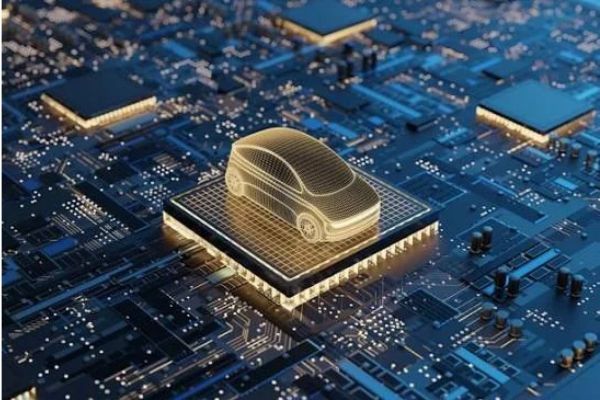
The automotive industry is undergoing a major technological transformation, with semiconductors emerging as a critical component of next-generation vehicles. From electric powertrains and battery management systems to advanced driver-assistance systems (ADAS), connected infotainment and autonomous driving technologies, semiconductor chips are becoming increasingly important to vehicle performance, efficiency, safety and connectivity.
According to Cervicorn Consulting, the global automotive semiconductor market was valued at USD 87.59 billion in 2025 and is projected to increase from USD 93.96 billion in 2026 to approximately USD 176.82 billion by 2035, registering a compound annual growth rate (CAGR) of 7.3% between 2026 and 2035.
The growing integration of electronic components in automobiles, increasing electric vehicle adoption, rising demand for intelligent safety technologies and the transition toward software-defined vehicles are among the major factors supporting market expansion.
Automotive Industry Transformation Is Increasing Semiconductor Requirements
Modern automobiles are increasingly becoming software-driven and electronically integrated platforms. Traditional vehicles primarily relied on mechanical systems, whereas today’s vehicles incorporate sophisticated electronic control units, processors, sensors, memory devices and power semiconductors.
These components support several critical automotive functions, including engine management, battery monitoring, power conversion, vehicle connectivity, digital dashboards, advanced braking systems and driver assistance.
The increasing complexity of vehicle electronics is also raising semiconductor content per vehicle. Electric vehicles require specialized chips for battery management, inverter control, charging infrastructure and power distribution. Similarly, connected and autonomous vehicles depend on high-performance processors, radar systems, cameras and advanced sensing technologies.
As automotive manufacturers compete to introduce technologically advanced vehicles, demand for reliable, high-performance and automotive-grade semiconductor components is expected to increase.
Electric Vehicles and ADAS Create New Growth Opportunities
Vehicle electrification represents one of the most significant growth opportunities for automotive semiconductor manufacturers. Electric vehicles require a wide range of semiconductor technologies to manage battery performance, optimize energy consumption, control electric motors and improve charging efficiency.
Power semiconductors, particularly silicon carbide (SiC) and gallium nitride (GaN), are gaining attention because of their potential to improve power conversion efficiency, reduce energy losses and support compact electronic architectures.
Another important growth area is advanced driver-assistance systems. Features such as adaptive cruise control, automatic emergency braking, lane-keeping assistance, collision detection and parking assistance require advanced semiconductor components.
These applications rely on processors, image sensors, radar chips, memory devices and automotive networking technologies to process information and support real-time vehicle responses.
The development of autonomous driving capabilities and AI-powered automotive systems is expected to further increase demand for advanced computing and sensing semiconductors.
Software-Defined Vehicles Are Reshaping Automotive Electronics
The transition toward software-defined vehicles (SDVs) is changing how automakers design and operate modern vehicles. Instead of relying on multiple independent electronic control units, manufacturers are increasingly exploring centralized computing and zonal electronic architectures.
These architectures allow different vehicle functions to be managed through integrated computing platforms and software systems. They also support over-the-air software updates, improved connectivity, advanced infotainment and more flexible vehicle functionality.
This transformation is creating opportunities for semiconductor suppliers offering high-performance processors, microcontrollers, memory devices, automotive Ethernet solutions and power management technologies.
The growing integration of artificial intelligence into vehicles is also creating additional requirements for computing capabilities. AI-powered driver monitoring, intelligent cockpit systems, object recognition and advanced vehicle perception are expected to contribute to the demand for next-generation automotive chips.
Asia Pacific Maintains a Leading Position in the Automotive Semiconductor Industry
Asia Pacific accounted for approximately 40% of global automotive semiconductor market revenue in 2025, making it the leading regional market.
The region benefits from its established semiconductor manufacturing ecosystem, large automotive production base and increasing adoption of electric and connected vehicles. China, Japan, South Korea and India are important contributors to the regional automotive electronics and semiconductor landscape.
The expansion of electric vehicle manufacturing, growing investments in semiconductor production and increasing integration of advanced electronic systems in vehicles are supporting regional market development.
Europe is also expected to experience strong growth during the forecast period. The region’s established automotive manufacturing industry, electric mobility transition and emphasis on vehicle safety and emissions standards are creating demand for advanced automotive semiconductor solutions.
Meanwhile, North America represents an important market supported by investments in semiconductor manufacturing, automotive technology development, connected mobility and electric vehicle production.
Processor Segment Leads the Market
Based on component, the processor segment accounted for the largest revenue share of approximately 28% in 2025.
Processors are essential for managing complex automotive computing functions, including ADAS, autonomous driving, digital cockpits, infotainment, vehicle connectivity and centralized electronic architectures.
As automakers introduce more intelligent vehicle platforms, the requirement for advanced processing capabilities is expected to increase.
The memory device segment is also anticipated to experience significant growth. Modern vehicles generate and process increasing volumes of data through cameras, radar, infotainment systems, navigation platforms and connected technologies. This is increasing the need for high-capacity and high-performance automotive memory solutions.
SUVs and Electric Vehicles Support Semiconductor Demand
By vehicle type, SUVs represented the largest segment, accounting for approximately 42% of automotive semiconductor market revenue in 2025.
The growing popularity of SUVs, combined with their increasing integration of digital displays, connectivity features, advanced safety systems and electronic control technologies, is supporting semiconductor demand.
By propulsion type, internal combustion engine (ICE) vehicles accounted for approximately 55% of market revenue in 2025. Their established global production base and continued demand support the segment’s leading position.
However, electric vehicles are expected to record strong growth as automotive manufacturers expand electrification strategies and consumers increasingly adopt battery-powered mobility solutions.
Powertrain Applications Hold a Significant Market Share
Powertrain applications accounted for approximately 32% of automotive semiconductor market revenue in 2025.
Semiconductors play an important role in engine management, battery management, motor control, inverters, energy distribution and power conversion. As automotive powertrains become increasingly electrified, semiconductor requirements are expanding across conventional and electric vehicle platforms.
The safety and ADAS segment is another important application area, accounting for approximately 28% of market revenue in 2025. Increasing demand for collision avoidance, automated braking, adaptive cruise control and other driver assistance features is supporting the adoption of advanced automotive semiconductor technologies.
Advanced Semiconductor Materials Are Transforming Automotive Power Electronics
Silicon-based semiconductors continue to dominate the automotive semiconductor industry, accounting for approximately 85% of market revenue in 2025.
Their established manufacturing ecosystem, reliability and widespread use in electronic control systems, computing applications and power management support their market position.
However, advanced semiconductor materials are gaining importance as electric vehicles require more efficient and compact power electronics.
Silicon carbide offers advantages in high-voltage and high-temperature applications, particularly in electric vehicle inverters and power conversion systems. Gallium nitride is also gaining attention for its potential applications in compact power electronics, fast charging and energy-efficient power management.
The increasing adoption of these technologies is expected to create new opportunities for semiconductor manufacturers and automotive component suppliers.
Supply Chain Challenges and Industry Opportunities
Despite the positive growth outlook, automotive semiconductor manufacturers face several challenges.
Automotive-grade semiconductor components must satisfy strict reliability, quality and safety requirements. Their development and qualification processes can be lengthy and costly. In addition, supply chain concentration, manufacturing capacity constraints and geopolitical uncertainties can create risks for automotive manufacturers and semiconductor suppliers.
However, these challenges are also encouraging companies to strengthen supply chain resilience, expand production capabilities and develop strategic partnerships.
Government initiatives are supporting semiconductor manufacturing and technological development across several major economies. Programs such as the European Chips Act, the India Semiconductor Mission, South Korea’s K-Semiconductor Strategy and semiconductor development initiatives in Japan and the United States are contributing to the broader semiconductor ecosystem.
These initiatives are expected to create opportunities for automotive chip manufacturers, semiconductor equipment suppliers, foundries, automotive electronics companies and technology providers.
Leading Companies Competing in the Automotive Semiconductor Market
The global automotive semiconductor industry includes established semiconductor manufacturers and automotive technology suppliers competing across processors, microcontrollers, power semiconductors, memory devices and connectivity solutions.
Key industry participants include:
- Infineon Technologies AG
- NXP Semiconductors
- Renesas Electronics Corporation
- Analog Devices, Inc.
- Texas Instruments Incorporated
- STMicroelectronics
- onsemi
- ROHM Co., Ltd.
- Robert Bosch GmbH
- Toshiba Corporation
These companies are focusing on automotive-grade semiconductor innovation, advanced power electronics, vehicle computing, sensing technologies and connectivity solutions to address the changing requirements of automotive manufacturers.
Future Outlook: Semiconductor Innovation Will Define the Next Generation of Mobility
The future of the automotive semiconductor industry will be closely connected to developments in electric mobility, autonomous driving, artificial intelligence and software-defined vehicles.
As vehicles become more connected, automated and electronically sophisticated, semiconductor technologies will play an increasingly important role in improving vehicle efficiency, safety, computing performance and user experience.
The growing adoption of electric vehicles, increasing integration of ADAS and the transition toward centralized vehicle architectures are expected to create long-term opportunities for semiconductor manufacturers and automotive technology companies.
With the global automotive semiconductor market projected to reach USD 176.82 billion by 2035, companies operating across the automotive and semiconductor value chains will need to monitor technological developments, competitive strategies, investment activities and emerging market opportunities.