

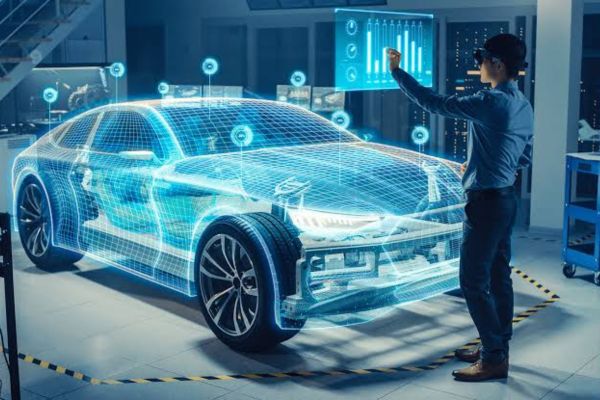
The modern automobile has quietly transformed into one of the most complex digital devices on the road. Telematics units track location and performance in real time. Advanced Driver Assistance Systems (ADAS) process sensor data to make split-second decisions. Infotainment consoles sync with smartphones, apps, and cloud servers. Together, these systems have turned the car from a mechanical object into a networked computer on wheels — and that shift has opened up an entirely new front in the automotive industry’s list of priorities cybersecurity.
As vehicles become more connected, industry leaders argue that security can no longer be treated as an add-on feature bolted on after a product is built. “As vehicles become increasingly connected through telematics, ADAS, infotainment systems, and cloud-based technologies, cybersecurity has emerged as one of the defining challenges for the automotive industry. A connected vehicle is no longer just a mode of transportation—it is a data-driven digital ecosystem. This evolution demands that cybersecurity be treated as a core design principle rather than an afterthought,” said Pavan Puri, Founder & Managing Director, and Greencore Electronics.
This philosophy is increasingly shaping how automotive electronics companies approach product development. At Greencore Electronics, security is being built into the architecture of connected components from the ground up. “At Greencore Electronics, we believe that building secure automotive electronics is fundamental to enabling the future of smart mobility. Every connected component, from telematics units to driver assistance systems, must be developed with robust security protocols, encrypted communication, secure software architecture, and continuous update capabilities,” Puri explained.
But no single company can solve this challenge alone. As cyber threats grow more sophisticated — targeting everything from vehicle-to-cloud communication to over-the-air update systems — the industry’s response will need to be collective. “As cyber threats become more sophisticated, collaboration between OEMs, Tier-1 suppliers, technology providers, and regulators will be essential to establish industry-wide security standards and ensure consumer trust,” Puri noted.
For India specifically, the timing carries added significance. The country is seeing rapid uptake of connected and software-defined vehicles, presenting a chance to lead rather than follow. “For India, where connected and software-defined vehicles are witnessing rapid adoption, this is also an opportunity to build globally competitive, secure, and indigenous automotive technologies,” Puri said.
Looking ahead, the companies that treat security and innovation as complementary — rather than competing priorities — are expected to shape the next phase of mobility. As Puri put it, “Cyber resilience will be a key differentiator for future mobility. The companies that successfully combine innovation with security will not only protect drivers and vehicles but also accelerate the adoption of connected, autonomous, and intelligent transportation systems.”
In an industry racing toward autonomy and constant connectivity, cybersecurity is fast becoming not just a technical requirement, but a competitive edge.

By: Pavan Puri, Founder and Managing Director, Greencore