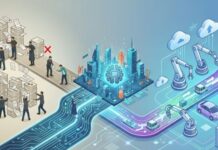
In 2026, cities and industries are becoming more connected, efficient, and intelligent due to rapid technological advancements. Among the key technologies driving this transformation are the Internet of Things and edge computing. These technologies enable real time data collection, faster processing, and better decision making.
As urban populations grow and industries become more complex, the need for smarter systems is increasing. IoT and edge computing are helping meet this demand by improving how cities operate and how industries manage their processes.
Understanding IoT and Edge Computing
The Internet of Things refers to a network of connected devices that collect and share data through sensors and communication systems. These devices can include everything from traffic sensors and smart meters to industrial machines.
Edge computing complements IoT by processing data close to where it is generated rather than sending it to a central server. This reduces delays and ensures faster responses.
Together, these technologies create a system where data is collected, analyzed, and acted upon in real time. This is essential for applications that require quick and accurate decision making.
Enabling Smart City Infrastructure
Smart cities rely on digital technologies to improve urban living and resource management. IoT devices are used to monitor various aspects of city life, such as traffic, energy consumption, and environmental conditions.
Edge computing enhances these systems by processing data locally, allowing for faster responses. For example, traffic management systems can adjust signals based on real time traffic conditions, reducing congestion and improving mobility.
Smart energy systems can also benefit from these technologies by optimizing power distribution based on demand. This improves efficiency and supports sustainability goals.
By enabling real time monitoring and control, IoT and edge computing make cities more responsive and efficient.
Improving Public Services and Safety
IoT and edge computing are also improving public services and safety in urban areas. Connected systems can monitor public spaces, detect unusual activities, and provide timely alerts.
For instance, smart surveillance systems can analyze video data in real time to identify potential security threats. Emergency response systems can use IoT data to locate incidents quickly and deploy resources more effectively.
Edge computing ensures that these processes happen instantly, without relying on distant data centers. This improves response times and enhances overall safety.
These capabilities are helping cities provide better services and create safer environments for residents.
Transforming Industrial Automation
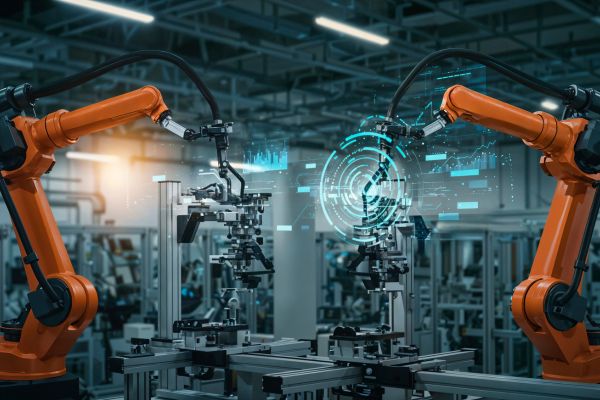
In industrial settings, IoT and edge computing are driving the next phase of automation. Machines equipped with sensors can collect data on performance, usage, and environmental conditions.
Edge computing processes this data on site, enabling real time monitoring and control. This allows industries to detect issues early, optimize operations, and reduce downtime.
For example, manufacturing systems can adjust production processes based on real time data, improving efficiency and product quality. Predictive maintenance systems can identify potential equipment failures before they occur.
These advancements are making industrial operations more efficient, reliable, and cost effective.
Enhancing Efficiency and Decision Making
One of the main benefits of IoT and edge computing is improved efficiency. Real time data allows businesses and city administrators to make informed decisions quickly.
By analyzing data at the source, edge computing reduces the need for large data transfers and minimizes delays. This leads to faster processing and better use of resources.
In both smart cities and industrial environments, this results in optimized operations and reduced costs. It also enables more accurate planning and improved performance.
These technologies support a more data driven approach to managing complex systems.
Challenges in Adoption
Despite their advantages, implementing IoT and edge computing comes with challenges. One of the main challenges is the need for reliable infrastructure to support connected devices and data processing.
Data security and privacy are also major concerns. As more devices become connected, protecting sensitive information becomes increasingly important.
Integration with existing systems can be complex, especially in older cities and industrial facilities. Businesses and governments must invest in technology and expertise to ensure successful implementation.
Addressing these challenges is essential for maximizing the benefits of these technologies.
Future Outlook
The future of smart cities and industrial automation will be shaped by continued advancements in IoT and edge computing. As these technologies evolve, they will become more efficient and accessible.
New applications will emerge, further enhancing urban living and industrial processes. From intelligent transportation systems to fully automated factories, the possibilities are expanding.
As adoption increases, IoT and edge computing will play a central role in building smarter, more connected, and more sustainable systems.
Conclusion
IoT and edge computing are transforming smart cities and industrial automation by enabling real time data processing and improved decision making. These technologies enhance efficiency, safety, and overall performance.
By supporting advanced applications and optimizing operations, they are helping create more intelligent and responsive systems. While challenges remain, their impact on modern infrastructure and industry is significant.
As technology continues to advance, IoT and edge computing will remain key drivers of innovation in both urban and industrial environments.