


What is a Large Format Display?
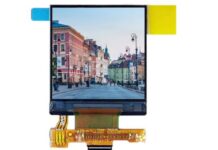
A Large Format Display (LFD) is a professional-grade screen designed to present visual content such as videos, advertisements, data, or interactive media on a large scale. Unlike traditional televisions or computer monitors, LFDs are built for continuous, high-performance operation and are widely used in commercial, educational, and public environments.
These displays are typically larger than 32 inches, with sizes ranging up to 100 inches or more, depending on their application. Large format displays are engineered for clarity, brightness, and durability, allowing them to function effectively even in brightly lit or outdoor spaces. They often feature LED, LCD, OLED, or MicroLED technology to ensure vivid color reproduction and sharp image quality
According to Vision Research Reports, the global large format display (LFD) market size was valued at approximately USD 13.97 billion in 2024 and is projected to reach around USD 42.62 billion by 2034, growing at a compound annual growth rate (CAGR) of 11.80% from 2025 to 2034.
Technological Evolution Driving Growth
The evolution from traditional LCD to LED, OLED, and MicroLED technologies has revolutionized the LFD landscape. Modern displays now offer ultra-high definition (UHD and 4K/8K), enhanced brightness, wider color gamut, and improved energy efficiency.
- LED-based LFDs are dominating the market due to their longevity, low power consumption, and flexibility in size and shape.
- OLED displays are gaining popularity in premium applications thanks to their thin profiles, superior contrast ratios, and dynamic color performance.
- Interactive flat panels (IFPs), equipped with touch and collaboration capabilities, are increasingly used in education, enterprise, and hybrid work environments.
Key Benefits of Large Format Displays
- Exceptional Visual Quality: Large format displays offer outstanding picture clarity, vibrant colors, and high contrast ratios, ensuring visuals remain sharp and engaging even in bright or outdoor environments.
- Wide Viewing Angles: LFDs are designed to deliver consistent image quality from various angles, allowing audiences to view content clearly without distortion a crucial advantage in crowded areas like malls, airports, and conference halls.
- Enhanced Customer Engagement: Their eye-catching visuals and dynamic digital content attract attention more effectively than static signage. Businesses use LFDs to boost customer engagement, enhance brand awareness, and increase sales conversion rates.
Challenges Facing the Market
- High Initial Investment: The upfront cost of large format displays, including installation and setup, can be significant. This can limit adoption among small and mid-sized enterprises with tighter budgets.
- Maintenance and Operational Costs: Regular servicing, software updates, and potential component replacements (like LED modules) can add to ongoing expenses, impacting total cost of ownership.
- Heat and Power Management: Larger displays, especially video walls, generate considerable heat and require efficient cooling systems. High power consumption also raises operational and environmental concerns.
Top Players in Large Format Display Market
- Samsung Electronics Co., Ltd.
- LG Electronics Inc.
- Sharp NEC Display Solutions Ltd.
- Sony Corporation
- Panasonic Corporation
- Barco NV
- Sharp Corporation
- ViewSonic Corporation
- BenQ Corporation
Future of Large Format Displays
The future of the large format display (LFD) market is bright, driven by continuous innovation and expanding adoption across industries. Advancements in Artificial Intelligence, Internet of Things (IoT), and cloud-based management systems are transforming LFDs into intelligent and interactive communication tools. These smart systems will allow displays to adapt to their surroundings, deliver personalized content, and be remotely managed from centralized networks.
Meanwhile, the development of transparent, flexible, and ultra-thin panels is set to redefine visual design, making displays more adaptable to modern architecture and retail environments. The integration of Augmented Reality (AR) and Virtual Reality (VR) will further enhance engagement, creating immersive experiences in education, entertainment, and advertising.