



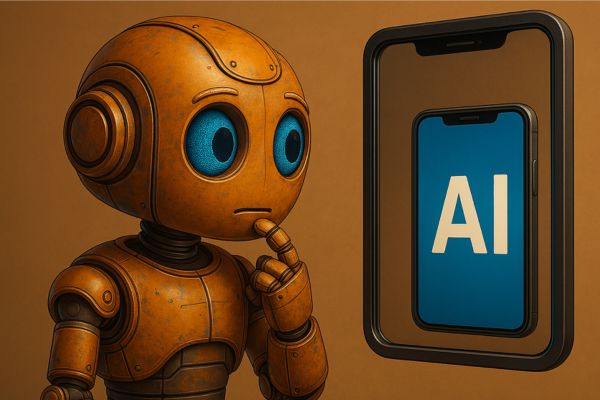
In the last few years, artificial intelligence has quietly stepped out of the realm of customer service scripts and into the domain of human emotions. AI-powered “therapy” chatbots now promise to listen without judgment, provide coping strategies, and even emulate empathy. For some users, these tools feel like a safe haven—a tireless, always-available listener. But the question looms: can chatbots really care? Or are we mistaking well-trained algorithms for genuine human connection?
The Rise of AI Therapy
Apps like Woebot, Replika, and Wysa have introduced millions to what feels like personalized, always-on emotional support. Trained on vast datasets, these systems use natural language processing to respond with comforting words, cognitive-behavioral tips, and even friendly humor.
The allure is obvious: no appointment wait times, no stigma, no hourly fees. For many, the alternative isn’t a human therapist—it’s silence.
In an age of loneliness, AI fills a gap. Studies have shown that people sometimes disclose more personal details to a bot than to a human, precisely because they feel less judged. In certain mental health scenarios—early-stage anxiety, daily stress management—AI therapy can be a helpful first step, especially when human resources are scarce.
The Illusion of Empathy
However, here’s the reality check: AI doesn’t feel anything. It doesn’t understand the emotional weight of a breakup, a diagnosis, or a panic attack. It processes input and produces output based on statistical patterns, not lived experience or compassion.
When an AI says, “I’m sorry you’re feeling this way,” it’s performing a linguistic trick, not expressing concern. This distinction matters. Humans evolved to detect subtle cues in tone, body language, and emotional resonance—signals that algorithms, however sophisticated, cannot authentically replicate. Prolonged reliance on such systems risks normalizing an empathy substitute, where emotional connection becomes a consumer product rather than a shared human experience.
The Risks of Artificial Intimacy
The greatest danger isn’t that chatbots will become too human, but that we will lower our expectations of what human connection should be. AI intimacy can foster dependence, particularly in vulnerable users. Someone in crisis may mistake a chatbot’s availability for actual care, delaying critical intervention from trained professionals or support networks.
There’s also a privacy dimension. The most intimate details you share with a chatbot could be stored, analyzed, and monetized. Unlike a human therapist bound by confidentiality laws, AI platforms are governed by terms of service that may change overnight. In the wrong hands, these datasets could be exploited—turning private pain into targeted marketing or worse.
And then there’s the risk of subtle manipulation. A chatbot optimized for “engagement” may nudge conversations in directions that benefit the platform owner’s commercial or political interests. In mental health contexts, this is a particularly troubling prospect.
Augmentation, Not Replacement
The healthiest framing for AI therapy is augmentation, not substitution. Think of these tools as emotional first aid kits, not primary care physicians. They can help you name a feeling, guide you through a breathing exercise, or remind you to take a break—but they should ultimately connect you to real human support when needed.
Some developers are already integrating “human-in-the-loop” systems, where chatbots can flag high-risk situations and escalate to trained counselors. This hybrid approach preserves the immediacy of AI while acknowledging its limits.
Redefining Connection in the AI Age
The arrival of AI intimacy forces us to ask deeper questions about the nature of care itself. Is care defined by the feeling of being understood, or by the fact that another conscious being has chosen to understand us? Technology may one day mimic human conversation so well that the line blurs—but the moral dimension of care, rooted in empathy, reciprocity, and vulnerability, remains uniquely human.
AI can simulate a caring conversation. It can help us practice emotional literacy. It can, in some cases, bridge gaps in access to support. But caring—real, reciprocal, transformative caring—still requires a human heart on the other side.
Quick Take: Can Chatbots Really Care?
AI “therapy” bots like Woebot, Wysa, and Replika promise round-the-clock listening, stress tips, and nonjudgmental conversation. For some, they’re a lifeline—filling gaps in mental health access and reducing stigma.
But here’s the catch: AI doesn’t feel. Its “empathy” is code, not compassion. Prolonged reliance risks lowering our expectations of human connection and delaying real help. Privacy is another concern—your most personal disclosures may be stored, analyzed, and even monetized.
The safest use of AI therapy? Think of it as emotional first aid, not a replacement for human care. A hybrid model, where chatbots can escalate urgent cases to real counselors, blends accessibility with genuine empathy.
Bottom line: AI can simulate connection, but real care still comes from human hearts.
Author Detail:
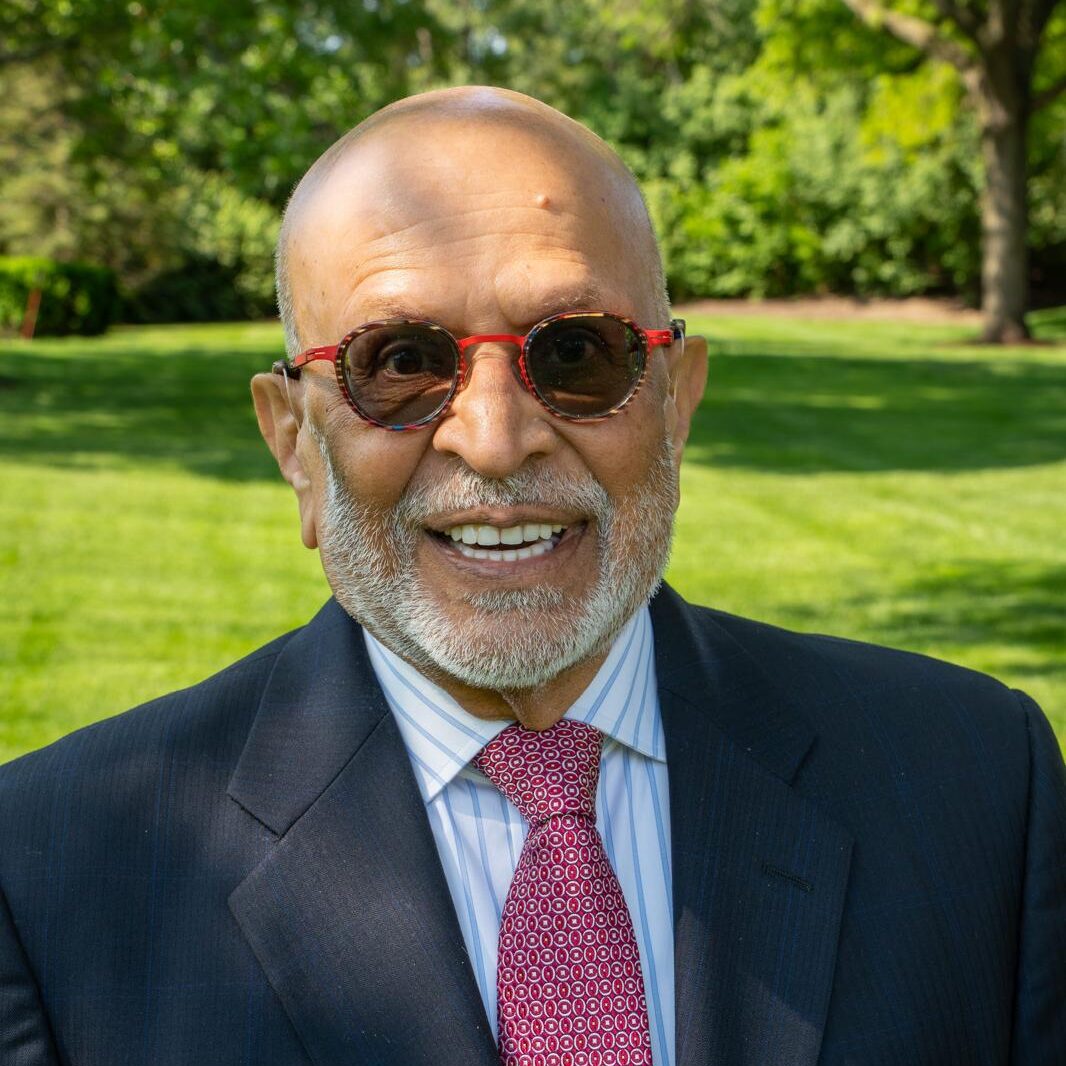
Vivek Singhal, Founder and CEO Strategic Business Management Co.