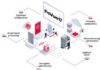
As the world becomes increasingly digital, the demand for data processing, storage, and transmission continues to surge. At the core of this digital transformation are data centers facilities that power everything from cloud storage and online banking to artificial intelligence and streaming services. However, this rapid expansion comes at a cost, data centers consume significant energy, much of it dedicated to cooling systems that prevent servers from overheating.
With growing pressure to reduce environmental impact, the industry is shifting toward green data centers facilities designed for energy efficiency and sustainability. Two of the most transformative innovations in this space are advanced cooling technologies and renewable energy integration.
The Energy Problem in Traditional Data Centers
Conventional data centers are energy-intensive operations. A large portion of electricity is consumed not by computing itself but by air conditioning and cooling systems that ensure optimal server performance. This results in high operational costs and a substantial carbon footprint.
Green data centers aim to tackle this issue by optimizing energy use, implementing cleaner cooling methods, and sourcing power from renewable resources. These innovations not only reduce environmental impact but also improve cost-efficiency and long-term scalability.
Innovations in Cooling Technologies
1. Liquid-Based Cooling
One of the most significant advancements in recent years is the shift from air to liquid cooling. Unlike traditional air conditioning, which circulates cooled air around servers, liquid cooling system directly absorbs heat through contact.
- Direct-to-chip cooling circulates liquid coolant over the hottest parts of the processor, improving thermal regulation.
- Immersion cooling submerges entire servers in non-conductive liquids, allowing heat to dissipate quickly and efficiently.
These methods reduce reliance on fans and HVAC systems, cutting energy use and allowing for denser hardware configurations within the same footprint.
2. Free Cooling and Natural Air Use
Many modern facilities are incorporating free cooling techniques, which use naturally cool air or water from the surrounding environment to regulate temperature. Instead of relying entirely on mechanical refrigeration, data centers use filtered outdoor air or evaporative cooling systems to maintain ideal conditions.
This passive approach can significantly lower power consumption and is most effective when paired with smart environmental monitoring systems that adjust airflow based on temperature and humidity.
3. AI-Powered Cooling Optimization
Artificial intelligence is being deployed to optimize cooling dynamically. AI algorithms analyze real-time data such as server load, ambient temperature, and humidity levels to adjust cooling systems precisely when and where needed.
This adaptive approach helps prevent energy waste and enhances system performance. AI also enables predictive maintenance, identifying inefficiencies or potential system failures before they cause problems.
Integration of Renewable Energy
1. On-Site Renewable Power Generation
Green data centers are increasingly incorporating on-site renewable energy, such as solar panels and wind turbines. These systems supply clean electricity directly to the facility, reducing dependency on fossil fuels and mitigating power grid fluctuations.
When combined with energy storage systems, such as lithium-ion or flow batteries, on-site generation offers greater energy independence and stability.
2. Power Purchase Agreements (PPAs)
For data centers that cannot generate their own green energy, PPAs provide a viable solution. These long-term contracts allow operators to purchase renewable electricity such as wind or solar at a fixed rate from utility-scale providers.
PPAs support the broader development of clean energy infrastructure while ensuring predictable energy costs and aligning with sustainability goals.
3. Smart Grid and Energy Storage Integration
Modern green data centers are also tapping into smart grid technologies. These systems manage energy flow efficiently between on-site sources, batteries, and the external grid. Smart grids allow operators to shift between different power sources based on demand, cost, and availability.
When paired with advanced storage solutions, smart grid integration ensures seamless operation even during energy fluctuations or outages.
Conclusion
The transformation of data centers into greener, smarter, and more sustainable facilities is not a distant goal it’s already underway. Through cutting-edge cooling technologies and renewable energy integration, data centers are evolving to meet the demands of a connected world without compromising environmental responsibility.
As innovation continues, green data centers will not only become the standard for digital infrastructure but also a critical component in global efforts to reduce carbon emissions and build a more energy-conscious future.