


In an era marked by accelerating climate risks and geopolitical energy uncertainty, the Green Energy Market is rapidly emerging as the linchpin of global sustainability. From government commitments to net-zero targets to corporate decarbonization mandates, green energy is no longer a future solution—it’s the foundation of a clean energy economy already in motion.
According to the latest data from Acumen Research and Consulting, the Green Energy Market Size was valued at approximately USD 1.15 trillion in 2023 and is projected to reach USD 2.41 trillion by 2032, growing at a CAGR of 8.7% between 2024 and 2032. This growth is being propelled by aggressive policy incentives, significant capital flows into renewables, and increasing demand for energy security.

What Is the Green Energy Market?
The green energy market encompasses technologies and services related to the generation of power through environmentally sustainable methods that emit little to no greenhouse gases. These include:
- Solar Photovoltaics (PV)
- Wind Energy (onshore and offshore)
- Hydropower
- Geothermal Energy
- Biomass and Biofuels
- Green Hydrogen
The sector also includes enabling technologies such as battery storage, smart grids, and clean energy financing.
Green Energy Market Size & Forecast
- Market Size in 2023: USD 1.15 Trillion
- Projected Market Size by 2032: USD 2.41 Trillion
- CAGR (2024–2032): 8.7%
- Key Segments: Solar, Wind, Hydropower, Biomass, Geothermal
- Top Regions: Asia-Pacific, North America, Europe
Key Drivers of Green Energy Market Growth
1. Climate Policy and Net-Zero Mandates
One of the strongest catalysts for green energy market growth is the global momentum around climate action. Over 140 countries have pledged carbon neutrality targets, triggering a race to scale renewable generation. Policies like the U.S. Inflation Reduction Act, the EU Fit for 55 package, and China’s dual-carbon goals are reshaping energy planning.
2. Falling Renewable Costs
Technological advancements and economies of scale have drastically reduced the levelized cost of electricity (LCOE) for solar and wind. Solar PV costs have declined by over 80% in the past decade, making renewables competitive—even without subsidies—against fossil fuels.
3. Energy Security and Independence
Russia’s invasion of Ukraine exposed vulnerabilities in global fossil fuel supply chains. As a result, countries are investing heavily in green energy infrastructure to reduce dependency on imported oil and gas, which also boosts domestic job creation.
4. Grid Digitization and Smart Technologies
The integration of AI, IoT, and digital twins in energy infrastructure allows utilities and developers to optimize performance, predict maintenance needs, and integrate intermittent renewables with greater stability—supporting broader green energy market adoption.
Green Energy Market Trends Reshaping the Sector
Battery Storage and Grid Resilience
To overcome the intermittency of solar and wind, large-scale battery storage is being rapidly deployed. Advanced lithium-ion and next-gen chemistries like solid-state and flow batteries are gaining traction for grid-level applications.
Offshore Wind Takes Off
Offshore wind, particularly in the North Sea and along the U.S. eastern seaboard, is emerging as a key growth segment. Floating wind turbines are enabling deployment in deeper waters, unlocking new capacity.
Rise of Green Hydrogen
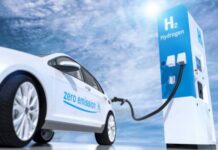
With electrolysis powered by renewables, green hydrogen is becoming a viable option for decarbonizing hard-to-abate sectors such as steel, cement, and long-haul transport. Pilot projects are already scaling in Europe and Asia.
Microgrids and Energy Access
In developing regions, microgrids powered by solar and battery systems are closing the energy access gap, reducing reliance on diesel generators, and enhancing community resilience to grid failures.
Regional Outlook: Where Growth is Happening
Asia-Pacific
Asia-Pacific, with over 40% share, leads the green energy market share due to robust manufacturing ecosystems, rising energy demand, and national renewable targets. China alone accounts for over one-third of global wind and solar installations. India is rapidly catching up with its ambitious National Solar Mission.
North America
The U.S. green energy landscape is being redefined by landmark legislation, such as the Inflation Reduction Act, which allocates over USD 370 billion to climate and energy investments. Canada is also strengthening its support for green hydrogen and offshore wind.
Europe
Europe has long been a frontrunner in renewables adoption and climate policy. Countries like Germany, Spain, and the Netherlands are investing in distributed solar, offshore wind, and grid interconnectivity projects across the EU.
Green Energy Market Analysis by Segment
By Energy Source:
- Solar PV: Dominates in residential and utility segments; community solar is on the rise.
- Wind Energy: Onshore leads currently, but offshore is catching up due to higher efficiency.
- Hydropower: Mature but still essential for baseload capacity and storage.
- Biomass: Gaining momentum in industrial and municipal applications.
- Geothermal: Growing slowly but steadily in heat-intensive markets.
By End User:
- Residential
- Commercial & Industrial (C&I)
- Utility-scale
- Off-grid/Rural Electrification
Key Challenges in the Green Energy Market
Despite rapid expansion, the green energy market faces critical bottlenecks:
- Grid Integration: Variable renewable energy can destabilize aging grids without proper storage and smart management.
- Land and Permitting Constraints: Large solar and wind projects often face local resistance or bureaucratic delays.
- Raw Material Dependencies: Solar PV and battery components rely heavily on critical minerals like lithium, cobalt, and rare earths—most sourced from limited global suppliers.
- Policy Inconsistencies: Fluctuating subsidies, unclear regulations, and abrupt policy reversals in some regions undermine investor confidence.
- Skill Gaps: The workforce needs to rapidly upskill to support new technologies in solar installation, grid management, and hydrogen operations.
Addressing these issues will be vital to sustaining long-term green energy market growth.
Competitive Landscape and Market Share Dynamics
According to the Green Energy Market Report, the industry features a mix of global energy giants and specialized renewable players:
- NextEra Energy
- Enel Green Power
- Ørsted A/S
- Vestas Wind Systems
- First Solar Inc.
- Siemens Gamesa Renewable Energy
- EDF Renewables
- Canadian Solar
- Iberdrola SA
- Brookfield Renewable Partners
These firms are investing heavily in R&D, expanding international portfolios, and leveraging digital platforms to optimize generation and maintenance.
Green Energy Market Outlook: 2032 and Beyond
Looking forward, the green energy market outlook suggests a deeply transformed energy system where renewables dominate electricity generation. Key predictions include:
- Clean energy accounting for 70%+ of global power generation by 2040
- Green hydrogen cost parity with grey hydrogen in many markets by 2030
- Widespread use of AI-powered energy management platforms in both homes and industries
- Cross-border green power trading via interconnected grids
- Continued decline in renewable costs and rise of circular economy principles in technology production
From urban rooftops to remote island grids, green energy is not just expanding—it’s becoming more intelligent, adaptive, and essential to the world’s energy security.
The global Green Energy Market is on a steady path to becoming the cornerstone of a decarbonized, decentralized, and digitized energy future. As nations double down on climate commitments, and corporations embrace ESG goals, the shift toward renewables is both a moral imperative and a massive business opportunity.
With the market projected to exceed USD 2.41 trillion by 2032, this sector represents one of the most critical investment areas of the 21st century.