The rise of smart home technology has transformed the way we live, interact, and manage our daily routines. From intelligent refrigerators that track grocery needs to AI-powered washing machines that optimize energy use, smart appliances have become the cornerstone of modern households. The Smart Home Appliances Market is evolving rapidly, powered by innovations in IoT, artificial intelligence, and energy-efficient design. These technologies not only enhance convenience but also redefine lifestyle standards across the globe.
The New Era of Connected Living
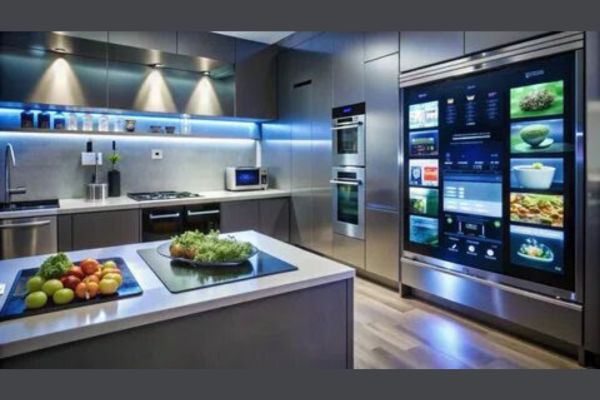
Smart home appliances are at the heart of a connected ecosystem where devices communicate seamlessly. Refrigerators, washing machines, ovens, and vacuum cleaners are now integrated through Wi-Fi or Bluetooth, enabling homeowners to control them remotely via smartphones or voice assistants like Alexa and Google Home. This level of interconnectivity creates a personalized and responsive home environment.
This indicates that the growing penetration of smart ecosystems is reshaping how consumers view home management. For instance, smart dishwashers automatically detect load levels to minimize water waste, while robotic vacuum cleaners map rooms for efficient cleaning. These innovations reflect a shift toward homes that think, adapt, and learn — making daily chores less time-consuming and more efficient.
Energy Efficiency and Sustainability Take Center Stage
One of the most impactful trends in the Smart Home Appliances Market is the focus on sustainability. Energy-efficient appliances are no longer optional—they’re essential. Governments worldwide are introducing regulations promoting reduced carbon footprints, pushing manufacturers to create eco-friendly products. Smart devices now come equipped with sensors that optimize power consumption and reduce wastage.
Fairfield Market Research emphasizes that energy management systems in smart homes help consumers monitor usage in real time, lowering utility bills and supporting global green initiatives. For instance, smart thermostats automatically adjust temperatures based on occupancy patterns, saving up to 30% in energy costs annually. Likewise, smart washing machines select water levels and detergent quantities according to fabric type, ensuring resource efficiency without compromising performance.
AI and Voice Control: The Ultimate Convenience
Artificial intelligence has revolutionized the way users interact with appliances. The Smart Home Appliances Market has seen an influx of AI-driven innovations, where machines anticipate user needs and provide tailored experiences. Voice assistants allow homeowners to perform multiple tasks hands-free—whether it’s brewing coffee or preheating an oven before arriving home.
Moreover, predictive maintenance powered by AI is becoming increasingly common. Appliances can now diagnose issues before they escalate, alerting users or service centers instantly. Fairfield Market Research notes that this predictive capability significantly reduces downtime and maintenance costs, extending the lifespan of devices. The integration of voice recognition and AI ensures that smart homes not only operate efficiently but also provide comfort and personalization unmatched by traditional appliances.
Enhanced Safety and Security Features
Safety remains a top priority for homeowners, and smart appliances play a vital role in ensuring it. Devices equipped with real-time alerts and sensors can detect potential hazards such as gas leaks, overheating, or electrical surges. For example, smart ovens automatically shut off when left unattended, while connected smoke detectors send instant notifications to mobile devices.
Market highlights that enhanced safety features have driven widespread adoption, especially among families and elderly users. The ability to remotely monitor and control appliances provides peace of mind, particularly in households with children or pets. Manufacturers are increasingly focusing on cybersecurity as well, ensuring that the connected systems remain protected from unauthorized access.
The Role of 5G and IoT Expansion
The convergence of 5G networks and Internet of Things (IoT) technologies is expected to supercharge the Smart Home Appliances Market in the coming years. Faster connectivity, low latency, and high data transfer speeds enable real-time communication between devices, making smart homes more responsive and efficient.
5G allows seamless integration between multiple appliances—such as a refrigerator communicating with an online grocery store or a washing machine synchronizing with solar energy systems. This interconnectedness is shaping the future of autonomous living, where devices function cohesively without manual intervention. Predicts that as 5G becomes more widespread, the number of connected household devices will multiply exponentially, fueling the next phase of digital transformation in residential environments.
Personalization Through Data Analytics
Data analytics plays a crucial role in making smart home experiences more customized. Appliances gather user preferences, usage patterns, and behavioral data to optimize performance. For instance, a smart oven can learn cooking habits and suggest recipes, while a refrigerator might recommend replenishing groceries based on past consumption trends.
This growing personalization trend aligns with findings that consumers now prefer intelligent systems that adapt to their unique needs. The use of cloud computing further enhances this by enabling continuous updates, remote diagnostics, and integration with new smart devices. Ultimately, data-driven personalization is creating a new dimension of comfort and functionality that was once unimaginable.
Challenges and Opportunities Ahead
While the smart home revolution offers unprecedented benefits, it also presents challenges. High installation costs, interoperability issues between brands, and cybersecurity threats remain key concerns. However, the opportunities far outweigh these challenges. Emerging markets in Asia-Pacific and Latin America are witnessing rapid adoption due to declining device costs and growing digital literacy.
Manufacturers are now focusing on developing open-source platforms to ensure cross-brand compatibility. Furthermore, partnerships between technology firms and appliance manufacturers are streamlining product development and creating unified ecosystems. These collaborations will define the competitive landscape in the coming decade, paving the way for mass adoption of connected living solutions.
Redefining the Modern Household
The Smart Home Appliances Market is set for remarkable expansion as technology becomes more intuitive, affordable, and accessible. The future home will be a self-operating ecosystem, capable of predicting needs, optimizing energy, and ensuring security — all with minimal human effort.
In the next decade, consumers will likely witness even deeper integration between smart appliances, renewable energy sources, and home automation systems. This evolution marks a paradigm shift from reactive to proactive living, where technology doesn’t just assist — it anticipates and enhances.