


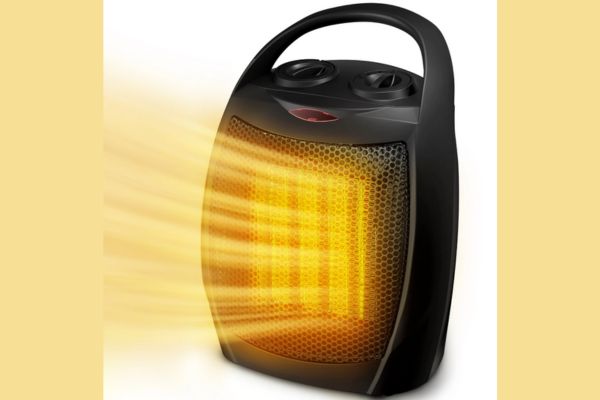
The Mobile Heaters Market is emerging as a cornerstone in industries where flexible, rapid heating solutions are essential—be it in construction, emergency response, industrial, or commercial scenarios. As per Ameco Research, the market was valued at approximately USD 8.1 billion in 2024 and is projected to escalate to USD 12.6 billion by 2033, reflecting a compound annual growth rate (CAGR) of about 5.1% from 2025 to 2033.

In this article, we present a refined Mobile Heaters Market Analysis—highlighting market size, growth dynamics, key market trends, segmentation, regional performance, and competitive landscape—designed to inform decision-makers, industry stakeholders, and curious professionals alike. While the insights are grounded in data, the goal is to foster engagement and encourage deeper exploration of the full Mobile Heaters Market Report by Ameco Research and Consulting.
Mobile Heaters Market Size: A Snapshot
The Mobile Heaters Market Size indicates robust growth potential:
- 2024 Market Valuation: USD 8.1 billion
- Projected 2033 Value: USD 12.6 billion
- CAGR (2025–2033): 5.1%
These figures highlight the steady yet resilient expansion trajectory of the mobile heaters market growth.
Mobile Heaters Market Drivers & Trends
- Infrastructure & Construction Expansion
With surging investments in infrastructure—particularly in construction, mining, and oil & gas sectors—there’s a heightened demand for portable heating systems in remote or temporary sites. The mobile heaters market analysis underscores this sector as a primary revenue driver.
- Emergency & Weather-Driven Needs
Mobile heaters are indispensable for emergency shelters, outdoor events, warehousing, and disaster relief efforts. Additionally, extreme weather conditions—especially harsh winters—amplify the need for swift, on-demand heating solutions.
- Sustainable & Renewable Technologies
The growing adoption of electric vehicles (EVs) and battery-driven equipment has spurred demand for renewable-compatible heating systems. Innovations such as hydrogen-powered and solar-assisted heaters are reshaping industry priorities toward sustainability and lower carbon footprints.
- Technological Enhancements
Mobile heaters are becoming smarter and more efficient. Features like remote-control capabilities, integration with IoT networks, and enhanced operational efficiencies are elevating the use cases and value proposition in the mobile heaters market trends.
Segmentation Insight
The mobile heaters market report segments the industry to enhance clarity:
- By Product Type: Diesel heaters dominate the market, with gas, electric, and infrared options also gaining ground.
- By Application & End-User: Key segments include construction, mining, oil & gas, emergency services, and outdoor events.
- By Region: Highlights include North America as the largest market and Asia-Pacific as the fastest-growing region.
Mobile Heaters Market Regional Dynamics
- North America: Holds the largest mobile heaters market share, buoyed by industrial demand, infrastructure projects, and climate-driven usage. The presence of harsh winters in Canada and the northern United States significantly drives demand for mobile heating solutions, especially for residential, commercial, and construction applications. Moreover, the region’s emphasis on workplace safety in outdoor and temporary worksites further stimulates adoption. Technological innovation, such as smart, IoT-enabled portable heaters, is gaining traction, while stringent energy efficiency standards set by regulatory bodies push manufacturers to develop advanced, eco-friendly models.
- Asia-Pacific: Represents the fastest-growing region, fuelled by rising urbanization, expansion of the construction sector, and increasing outdoor events across China, India, Japan, and South Korea. In colder sub-regions, such as Northern China and Japan, residential use of mobile heaters is substantial. Furthermore, industrial applications are expanding as the region’s manufacturing footprint grows. The rising disposable income of consumers also encourages adoption of premium, energy-efficient mobile heating products, making Asia-Pacific a critical hub for both demand and innovation.
- Europe: Europe holds a considerable mobile heaters market share, driven by prolonged cold seasons across Northern and Eastern Europe. Countries such as Germany, the UK, and the Nordic nations are key contributors. Demand is particularly strong in industrial sectors, including oil & gas, construction, and automotive, where portable heating solutions support both productivity and safety during winter operations. At the same time, Europe’s stringent energy efficiency and emissions regulations have accelerated the shift toward low-emission and renewable-energy-powered mobile heaters, aligning with the EU’s broader decarbonization goals.
- Latin America: In Latin America, the mobile heaters market size is expanding steadily, with growth concentrated in countries such as Argentina and Chile, where colder climates necessitate portable heating solutions. The construction and oil & gas industries, particularly in remote areas, rely heavily on mobile heaters for worker safety and operational efficiency. However, economic volatility and uneven infrastructure development can act as restraints to broader adoption.
Competitive Landscape
The mobile heaters market share is shaped by specialists and diversified industrial players. Some notable names include industrial heavyweights like John Deere, Frost Fighter, and Pinnacle Climate Technologies, alongside niche innovators such as DryAir, ENCE GmbH, Polartherm Oy, and Biemmedue SpA. These companies are differentiating through robust design, diverse fuel formats, and advanced features.
Challenges & Restraints
- Environmental Regulations: Stricter emissions standards can complicate diesel heater use, pushing manufacturers toward greener alternatives.
- Fuel & Energy Price Volatility: Fluctuations in diesel, gas, or electricity costs may affect demand, especially in cost-sensitive markets.
- Competition from Alternative Heating Solutions: Alternatives like electric baseboard heaters or smart HVAC systems present competitive pressure, particularly in developed markets with ready infrastructure.
Future Outlook & Opportunities
- Green Innovation Potential: Integration of EV-compatible, hydrogen, or solar-powered heaters could redefine the mobile heaters market growth trajectory.
- IoT and Smart Capabilities: Enhanced remote control, predictive maintenance, and energy optimization features can elevate usability and attractiveness across sectors.
- Emerging Market Penetration: As infrastructure and construction projects expand in developing economies, opportunities for mobile heaters grow correspondingly.
- Cross-Sector Applications: Beyond traditional industries, adoption in agriculture, retail, and public safety is likely to expand, diversifying end-use scenarios.
Why It Matters
Understanding mobile heaters market trends is vital for multiple stakeholder groups:
- Industry Professionals & OEMs: Align product development with emerging demands and technological expectations.
- Policymakers: Craft policies that facilitate clean, adaptable heating infrastructure, particularly in climate-critical zones.
- Commercial Users: Harness mobile heaters to optimize logistics, reduce downtime, and meet compliance or safety requirements.
The Mobile Heaters Market Report by Ameco Research offers a comprehensive toolkit—spanning segmentation, regulatory frameworks, competitive benchmarking, and forecasting. From its base value of USD 8.1 billion in 2024, the Mobile Heaters Market is on track to cross USD 12.6 billion by 2033, growing at a steady 5.1% CAGR through 2025–2033. This growth reflects robust demand, driven by construction activity, emergency preparedness, climate challenges, and technology evolution. With North America leading and Asia-Pacific ascending rapidly, manufacturers and stakeholders have a broad canvas of opportunity.