
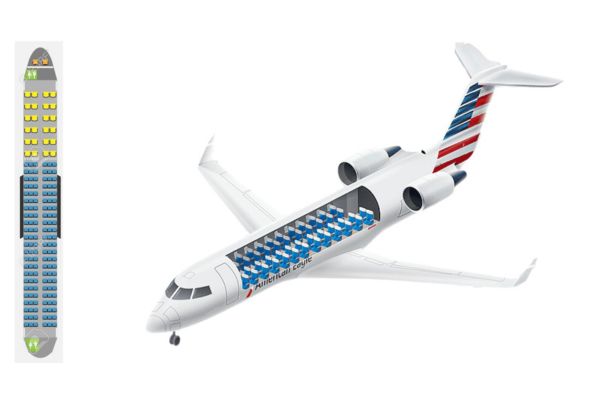
The Narrow-Body Aircraft Market is experiencing one of the most dynamic growth periods in aviation history. Valued at USD 109.6 billion in 2024, it is forecast to reach USD 180.8 billion by 2033, expanding at a 5.8% CAGR from 2025 to 2033, according to Ameco Research.

This growth is driven by surging demand for short- to medium-haul flights, the rise of low-cost carriers, and technological advancements in fuel-efficient engines. Narrow-body jets like the Airbus A320neo, Boeing 737 MAX, and COMAC C919 are emerging as the backbone of global airline fleets.
Narrow-Body Aircraft Market Size and Growth Forecast
- 2024 Market Size: USD 109.6 billion
- 2033 Forecast: USD 180.8 billion
- CAGR (2025–2033): 5.8%
The robust Narrow-Body Aircraft Market Growth reflects global passenger traffic recovery, cost-optimization strategies, and fleet modernization programs. The market’s resilience is underscored by airlines’ push toward operational efficiency and environmental compliance.
Narrow-Body Aircraft Market Trends Driving Global Demand
Growth of Low-Cost Carrier Fleets
Low-cost carriers (LCCs) are central to the Narrow-Body Aircraft Market Trends, particularly in emerging economies. These airlines rely on single-aisle jets to maintain high utilization rates and competitive pricing.
Advances in Turbofan Engine Technology
Modern turbofan engines are reducing fuel burn, lowering emissions, and enabling longer ranges, reinforcing their dominance in the Narrow-Body Aircraft Market Share.
Expanding Regional Connectivity
The rise of Tier-2 and Tier-3 airports in Asia-Pacific is creating fresh opportunities for narrow-body operations, meeting demand in previously underserved regions.
Key Drivers Shaping the Narrow-Body Aircraft Market Share
- Rising Passenger Traffic – Air travel demand surpassed pre-pandemic levels in several markets during 2024.
- Fleet Modernization – Airlines are replacing aging aircraft with fuel-efficient models to cut costs and meet sustainability goals.
- Economic Growth in Emerging Markets – Rising disposable incomes in Asia-Pacific and Africa are stimulating air travel demand.
- Sustainability Initiatives – Airlines are investing in next-generation aircraft to comply with stricter emissions regulations.
Narrow-Body Aircraft Market Report – Segmentation Insights
By Type
- Six-abreast cabin dominates the market, with Airbus A320 and Boeing 737 families leading the segment.
By Range
- Short-range aircraft generate the largest revenue share, catering to domestic and high-frequency regional routes.
By Engine Type
- Turbofan engines remain the preferred choice for their efficiency, reliability, and performance.
By Application
- Leasing leads the market, offering airlines flexible fleet expansion without major capital expenditures.
By End-User
- Commercial aviation overwhelmingly outpaces military demand, reflecting the sector’s dependence on narrow-body jets for passenger service.
Regional Narrow-Body Aircraft Market Analysis
North America: Mature Market with Focus on Fleet Renewal
North America remains one of the largest markets for narrow-body aircraft, driven primarily by the United States, which is home to major airline operators such as American Airlines, Delta Air Lines, and Southwest Airlines. The region is characterized by a mature air travel infrastructure and a significant focus on replacing aging fleets with fuel-efficient models. The Boeing 737 MAX series continues to dominate, although Airbus A320neo family aircraft are steadily increasing their market share.
Regulatory emphasis on carbon reduction, coupled with growing demand for domestic and regional travel post-pandemic, has fuelled the adoption of next-generation narrow-body jets. Additionally, North America benefits from a robust aircraft maintenance, repair, and overhaul (MRO) ecosystem, which further strengthens the operational lifecycle of these aircraft.
Europe: Transition Toward Sustainability
Europe’s Narrow-Body Aircraft Market is highly influenced by stringent environmental regulations and a growing emphasis on sustainable aviation fuel (SAF) adoption. Leading carriers such as Ryanair, Lufthansa, and easyJet are actively investing in modern fleets like the Airbus A321XLR to optimize fuel consumption while expanding range capabilities. The European Union’s “Fit for 55” climate policy package is prompting airlines to retire older aircraft earlier than planned, thus accelerating new aircraft deliveries.
While Western Europe remains a stronghold for major aircraft orders, Eastern Europe is emerging as a growth pocket due to expanding low-cost carrier networks and increasing passenger volumes in countries like Poland and Romania.
Asia-Pacific: The Growth Powerhouse
The Asia-Pacific region is projected to witness the fastest Narrow-Body Aircraft Market Growth during the forecast period. China, India, and Southeast Asian nations are leading demand, driven by rapid urbanization, rising middle-class incomes, and aggressive airline expansion strategies. India, in particular, has seen record-breaking aircraft orders in 2023, with carriers such as IndiGo and Air India securing hundreds of narrow-body jets to meet domestic and regional travel demand.
China’s domestic aviation sector, already one of the largest globally, continues to expand with government support for new airport construction and fleet modernization. Additionally, homegrown manufacturers like COMAC are beginning to compete with Boeing and Airbus in this segment, potentially reshaping the competitive landscape over the next decade.
Latin America: Opportunities Amid Economic Challenges
In Latin America, the Narrow-Body Aircraft Market is primarily driven by Brazil and Mexico, where low-cost carriers such as Gol Linhas Aéreas and Volaris are expanding fleets to cater to intra-regional routes. Economic fluctuations and currency volatility remain challenges, but the affordability and efficiency of narrow-body jets make them the preferred choice for airlines operating in markets with price-sensitive passengers. Aircraft like the Airbus A320neo have proven popular due to their lower operational costs and adaptability to varying airport infrastructures.
Middle East & Africa: Strategic Hub Development
The Middle East serves as a critical transit hub for global aviation, and narrow-body aircraft play a growing role in connecting secondary cities with major long-haul hubs. Airlines such as Flydubai and Air Arabia are expanding fleets to tap into the surge in regional tourism and short-haul business travel. Africa, though still in the early stages of significant aviation growth, shows potential in countries like South Africa, Nigeria, and Kenya, where improved airport facilities and liberalized air service agreements are fostering market expansion.
While wide-body aircraft dominate long-haul operations in the Middle East, narrow-body jets are increasingly used to diversify route networks and optimize operational efficiency.
Challenges Impacting Narrow-Body Aircraft Market Growth
- Production Backlogs – Boeing and Airbus face large order books, creating potential delivery delays.
- Fuel Price Volatility – Operating costs remain sensitive to global energy markets.
- Regulatory Compliance – Meeting evolving emissions and noise standards requires continued investment.
Opportunities Highlighted in the Narrow-Body Aircraft Market Report
- Extended-Range Narrow-Bodies – Models like the Airbus A321XLR open new medium-haul markets.
- Sustainable Aviation Fuels (SAF) – Adoption of SAF could significantly cut carbon footprints.
- Digital Maintenance and AI Integration – Predictive maintenance reduces downtime and extends aircraft lifespan.
Future Outlook – Narrow-Body Aircraft Market Beyond 2033
The future of the Narrow-Body Aircraft Market is anchored in innovation, regional expansion, and sustainability. Airlines will continue to prioritize fuel efficiency, passenger comfort, and flexible fleet structures. With demand in emerging economies accelerating and environmental regulations tightening, narrow-body aircraft will remain essential to the global air transport network.
The Narrow-Body Aircraft Market Analysis points to a decade of strong growth and strategic evolution. Rising demand, technological advancements, and new market opportunities are set to propel the industry forward. While challenges like production bottlenecks and fuel volatility remain, the long-term trajectory is undeniably positive.
For deeper insights, including granular data on Narrow-Body Aircraft Market Share, regional breakdowns, and competitive analysis, readers can explore the detailed industry findings from Ameco Research.