


Medical devices increasingly rely on wireless networks to exchange patient data, support remote monitoring and connect with clinical systems. Wi-Fi 7 introduces faster data transfer and Multi-Link Operation (MLO), which allows compatible devices to use multiple wireless links for improved connectivity. However, reliable communication also requires strong protection against unauthorized access, data interception and network attacks.
For medical electronics, cybersecurity must be part of the device design, not an additional feature added after development.

How Wi-Fi 7 Multi-Link Operation Works
Wi-Fi 7, based on IEEE 802.11be, enables compatible devices to communicate across multiple wireless links using available frequency bands. Depending on the hardware and network configuration, MLO can help reduce latency, manage congestion and maintain connectivity when one link experiences interference.
A typical medical device may use a Wi-Fi chipset, radio-frequency (RF) front end, antenna system, embedded processor and security software to manage wireless communication.
The basic communication path is:
Medical sensor → Embedded processor → Wi-Fi 7 chipset → Multiple wireless links → Secure clinical network
Each component has a role in maintaining communication. The processor handles device logic and data preparation, while the Wi-Fi chipset manages wireless transmission and link coordination. Security mechanisms protect the connection and help prevent unauthorized devices from accessing transmitted information.
What Makes Wi-Fi 7 Security Important for Medical Devices?
MLO creates additional considerations for network security because several wireless links operate as part of one connection. Security settings must remain consistent across the participating links. A weakly configured network, outdated firmware or compromised access point can still expose a connected medical device to risk.
Potential threats include:
- Unauthorized access: Attackers may attempt to connect to a device or its supporting network.
- Data interception: Poorly secured communication can expose sensitive patient information.
- Connection disruption: Interference or deliberate network attacks may interrupt data transmission.
- Firmware vulnerabilities: Outdated software can leave weaknesses that attackers may exploit.
- Network misconfiguration: Inconsistent security policies can weaken protection across connected devices.
For equipment used in patient monitoring, even a cybersecurity incident that interrupts communication may have operational consequences.
Security Technologies Behind Wi-Fi 7
Wi-Fi 7 requires WPA3 security for its supported high-throughput operation, including MLO. It also strengthens wireless management-frame protection and requires beacon protection to help devices verify the authenticity of supported network management information. These measures improve the security baseline, but they do not eliminate every possible cyber threat.
Medical device manufacturers should combine wireless security with additional safeguards.
WPA3 encryption and authentication: Help protect wireless data and restrict network access to authenticated users or devices.
Protected Management Frames (PMF): Help defend certain wireless management frames against forgery and tampering.
Secure boot: Allows the device to verify trusted firmware before executing it, reducing the risk of unauthorized software loading.
Device authentication and access controls: Restrict communication to approved systems and limit unnecessary network privileges.
Signed firmware updates: Help verify that software updates come from a trusted source and have not been modified.
Network segmentation: Separates medical devices from guest Wi-Fi and other less-trusted systems, limiting the potential spread of an attack.
Engineering Challenges and Opportunities
- Hardware and Software Integration: Coordinate RF hardware, embedded software and network infrastructure to ensure secure communication.
- Chipset and Firmware Compatibility: Verify that Wi-Fi 7 chipsets, firmware and access points support the required security features.
- Power Consumption: Balance security processing and wireless activity with battery life in portable medical devices.
- Real-World Testing: Evaluate cybersecurity, connectivity and power performance under realistic operating conditions.
- Network Security Management: Configure authentication policies, network monitoring and access controls correctly.
- Vulnerability Prevention: Address weak passwords, exposed services and outdated firmware through regular security assessments and updates.
The Role of Cybersecurity in Connected Medical Electronics
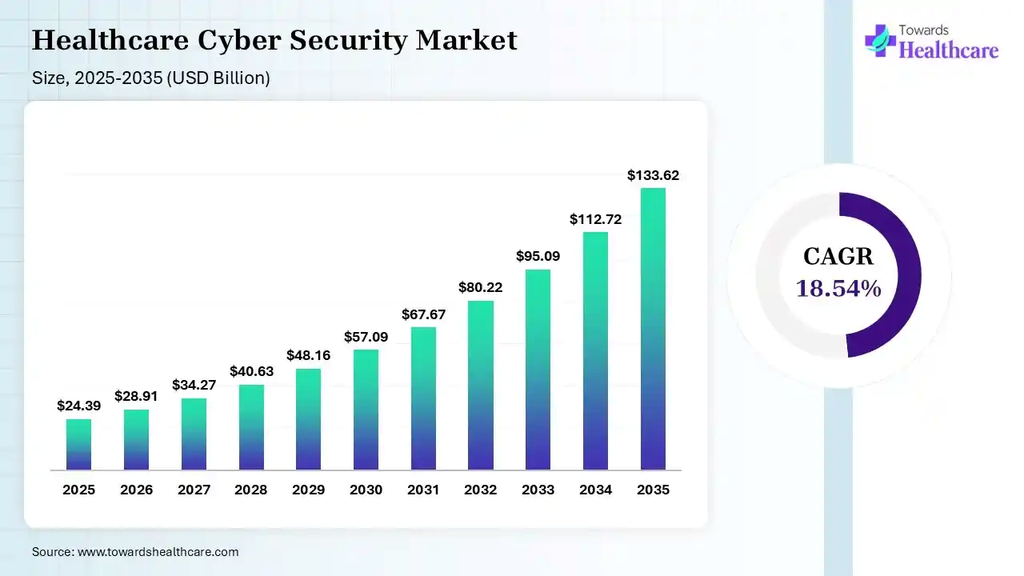
Wi-Fi 7 provides a stronger foundation for high-performance wireless communication, but medical device security depends on the complete system. Manufacturers should assess vulnerabilities throughout development and after deployment, maintain a software update process and test how devices behave during connection loss or suspected attacks.
The U.S. Food and Drug Administration’s June 2025 guidance on medical device cybersecurity emphasizes security considerations throughout device design and lifecycle management. This reinforces the need to treat cybersecurity as part of product safety and ongoing maintenance.
As medical electronics adopt more advanced wireless technologies, combining secure RF communication, embedded-system safeguards and well-managed clinical networks will be essential for protecting patient data and maintaining dependable device operation.
Payal Rabde is a Healthcare Market Research Analyst at Towards Healthcare Research & Consulting with over 4+ years of experience in pharmaceutical, biotechnology, medical device, and healthcare market research. She holds an MBA in Pharmaceutical-Biotechnology Management and a B.Pharm, specializing in market analysis, forecasting, competitive intelligence, and strategic healthcare insights.