
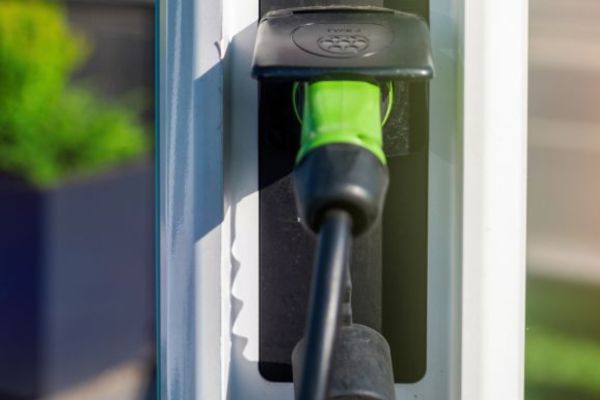
India’s EV momentum is accelerating rapidly, with EV sales crossed 2.27 million EV units in CY2025, while the country’s public charging network expanded to over 25,000 stations nationwide. Yet, fast chargers pumping 50kW+ make up under 20% of stations. We’re running one fast charger for every 235 EVs, with usage hovering below 25%. The bottom line? We can’t scale widespread adoption without a massive push on high-power DC fast chargers. It’s not just smart, it’s what puts India squarely in the global mobility big leagues.
Current Landscape: Impressive Growth, Persistent Gaps
Two-wheelers and three-wheelers rule EV sales at 80%, coasting along on cheap slow AC chargers at homes and street corners. But fast DC chargers, the real enablers for cars, trucks, and highway runs, are few and far between. Bengaluru, Delhi, and Mumbai hold 77% of the infrastructure, while Tier-2 towns and highways draw blanks. Drivers battle range anxiety on a daily basis, 30 minutes at a fast charger could replace hours of plugging in, yet spotty coverage traps EVs in city limits. At this pace, India won’t hit the 1.3 million stations needed by 2030 to fuel that promised 30% EV market.
Key Challenges: Grid Strain, Costs, and Deployment Hurdles
Fast chargers of 350kW consume power equivalent to 50-70 homes at once, easily overwhelming old grids that trip and cause a blackout. Rural highways suffer the worst, transformers haven’t kept pace, so promising pit stops become setup headaches.
Money’s another concern as even a modest 50-120kW station runs ₹20-45 lakh, while truck-ready megawatt hubs hit ₹1 crore+. Investors shy away from uncertain returns, waiting 3-6 months through tangled city and state permits. Concerningly, remote spots are open to vandalism too, sitting exposed without any sort of protection from guards or any other security service.
Around 77% of chargers cluster in cities, stranding highways where e-trucks and buses need fast charging the most. Until we fix urban bias and grid limits, highway charging remains a metro luxury.
Pathways Forward
The good news is that we’ve got practical solutions ready at hand by blending smart tech, policy support, and partnerships that deliver, a lot of these challenges can be overcome. Vehicle-to-grid (V2G) lets EVs send power back to strained grids during peak hours, steadying supply while earning owners extra income. Solar-hybrid stations pair panels with batteries to cut grid dependence by 40% which is perfect for remote highways. AI at multi-charger hubs smartly shifts power where needed, jumping usage from 25% to 60%, making stations profitable.
Public-private partnerships show the way as developers build chargers while governments supply land and subsidies, working in harmony. States lead with smart incentives, Delhi cuts power costs 30% through subsidies, while Gujarat and Maharashtra offer capital rebates. Major charging networks are expanding rapidly and increasingly integrating renewable energy solutions such as solar-powered charging stations, demonstrating how scale and sustainability can go hand in hand with the right ecosystem support. Battery swaps for two-wheelers and modular chargers easily fill gaps for growing fleets.
Policy Imperatives: Building a Future-Proof Framework
Governments can unlock the future by taking smart, practical steps. First, strengthen power grids with dedicated EV highway corridors to handle the load. Standardize plugs like CCS2 and Bharat DC-001 so every charger works everywhere. Offer viability gap funding and blended financing support for EV charging infrastructure, similar to the U.S. NEVI program, which provides up to 80% federal cost share to accelerate nationwide fast-charger deployment along highway corridors.
Sweeten the deal with rural incentives like tax breaks and faster permits to bring charging to smaller towns. Finally, create a National EV Charging Network platform where real-time data shows exactly where chargers work best and where gaps remain. Simple moves like these make EV travel accessible for everyone.
The Road Ahead
Fast charging infrastructure will finally wipe out range anxiety, unlock commercial fleets that handle 70% of India’s road transport, and catapult our EV ecosystem onto the world stage. With EV sales climbing 8% and demand surging, the moment for bold action is right now. By confronting these challenges directly and grabbing these opportunities, India will charge ahead, transforming sustainable mobility for a billion drivers.

Mr. Akshit Bansal, Founder & CEO, Statiq