
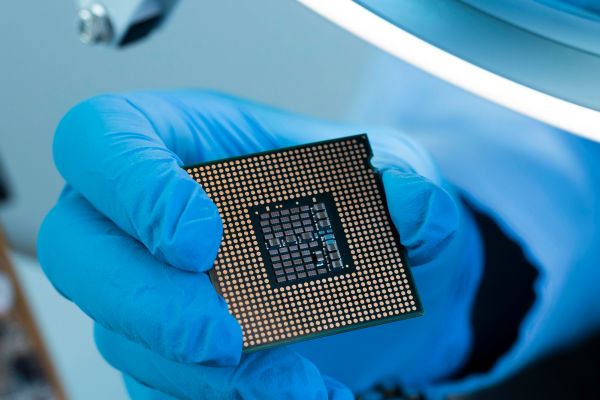
The global demand for semiconductors has surged dramatically in recent years, driven by advancements in artificial intelligence, 5G, electric vehicles, and digital infrastructure. However, the supply chain disruptions caused by the pandemic exposed a critical vulnerability, the heavy dependence on a few countries for chip manufacturing. Recognizing this challenge and its implications for economic growth, India has launched an ambitious initiative called the India Semiconductor Mission (ISM) to establish itself as a global hub for chip design and fabrication. The mission marks a transformative step in the country’s journey toward technological self-reliance and industrial modernization.
The Vision Behind India’s Semiconductor Mission
Launched in 2021 under the “Make in India” and “Digital India” frameworks, the Semiconductor Mission aims to develop a complete semiconductor ecosystem encompassing design, manufacturing, assembly, testing, and advanced semiconductor packaging. With an investment outlay of over ₹76,000 crore (approximately USD 10 billion), the initiative reflects the government’s commitment to reduce import dependency and strengthen India’s position in the global electronics supply chain.
The primary objective of this mission is not only to attract global semiconductor companies to establish wafer fabrication units in India but also to nurture local talent and encourage innovation in chip design. The mission envisions a future where India moves from being a major chip consumer to becoming an essential contributor to global chip supply.
Strategic Investments and Partnerships
India’s strategy focuses on attracting major international players while empowering domestic industries through incentives and collaboration. Several global giants, including Micron Technology, Foxconn, and AMD, have already committed to investments in India’s semiconductor space. For instance, Micron announced a $2.75 billion assembly and test facility in Gujarat, signaling growing investor confidence in India’s long-term semiconductor vision.
Moreover, the government’s Production Linked Incentive (PLI) schemes for electronics and semiconductor manufacturing have made India an attractive destination for high-tech investments. Collaborations with technology-rich countries such as the United States, Japan, and Taiwan have also strengthened India’s knowledge base, ensuring access to advanced fabrication techniques and supply chain expertise. These global partnerships are essential for accelerating domestic capability building and aligning India with the evolving semiconductor landscape.
Building a Strong Ecosystem for Chip Fabrication
One of the major challenges in semiconductor manufacturing lies in its complexity and capital intensity. Setting up a fabrication plant, or “fab,” requires billions of dollars and access to cutting-edge technology. To address this, the Semiconductor Mission has adopted a holistic approach, focusing not just on production but on the entire semiconductor value chain.
This includes the establishment of Semiconductor Fabs, Display Fabs, and ATMP (Assembly, Testing, Marking, and Packaging) facilities. The government has also announced financial support covering up to 50% of project costs, along with infrastructure development in special economic zones (SEZs). These initiatives are aimed at creating a seamless and self-sustaining ecosystem that can support long-term chip production and innovation.
In addition to infrastructure, the mission emphasizes R&D and skill development. Collaborations between academic institutions, research organizations, and industry players are being encouraged to foster a new generation of semiconductor engineers and researchers. The creation of specialized training programs under the Ministry of Electronics and Information Technology (MeitY) will play a vital role in bridging India’s talent gap in this high-tech domain.
The Role of States and Emerging Manufacturing Hubs
Several Indian states are positioning themselves as semiconductor manufacturing hubs by offering incentives, land, and infrastructure support. Gujarat, Tamil Nadu, and Karnataka have emerged as leading contenders due to their robust industrial ecosystems and proximity to existing electronics clusters.
The upcoming Dholera Special Investment Region (SIR) in Gujarat is particularly significant, envisioned as India’s first large-scale semiconductor manufacturing zone. The state’s proactive policies and logistical advantages make it a strong foundation for future investments. Similarly, cities like Bengaluru, Hyderabad, and Chennai, already known for their technological prowess, are expanding their infrastructure to accommodate semiconductor R&D and assembly units.
This decentralized approach ensures regional participation and contributes to balanced economic growth across the country.
Challenges on the Road Ahead
Despite the strong policy framework and global interest, India’s semiconductor journey faces notable challenges. The absence of an established chip manufacturing ecosystem means the country must build capabilities from the ground up. This includes acquiring advanced machinery, ensuring uninterrupted power and water supply, and developing a skilled workforce.
Additionally, global competition remains intense, with countries like South Korea, Taiwan, and the United States already dominating the semiconductor landscape. To compete effectively, India will need to focus on innovation-driven design, cost efficiency, and technological partnerships. However, these challenges also present opportunities, India’s growing digital economy and demand for electronics create a large domestic market that can sustain early investments.
The Future of India’s Semiconductor Ambitions
The Semiconductor Mission is not just about chip production but it’s about building strategic independence and digital resilience. By integrating semiconductor manufacturing with the broader goals of Digital India, Atmanirbhar Bharat, and Industry 4.0, the country is laying the foundation for a technology-driven future.
In the coming years, the rise of electric vehicles, smart devices, 5G infrastructure, and renewable energy systems will further amplify the need for advanced chips. India’s proactive stance ensures that it will not remain a passive consumer in this ecosystem but will evolve into a key innovator and supplier.
With sustained policy support, international collaboration, and talent development, India is well-positioned to become a global semiconductor powerhouse. The success of this mission will determine not just the country’s technological capabilities but also its place in the rapidly changing global economy.
Conclusion
India’s Semiconductor Mission represents a bold step toward achieving technological sovereignty. By fostering innovation, encouraging global collaboration, and investing in advanced manufacturing, the nation is setting the stage for a robust semiconductor ecosystem. While the journey is challenging, the progress made so far underscores India’s determination to emerge as a significant player in global chip production.
As the world continues to digitalize, India’s success in scaling up chip manufacturing will play a pivotal role in shaping its economic future and ensuring resilience in the digital age.